💪🧠⏳ The Power of Self-Discipline: 5-Minute Exercises to Build Self-Control, Good Habits, and Keep Going When You Want to Give Up
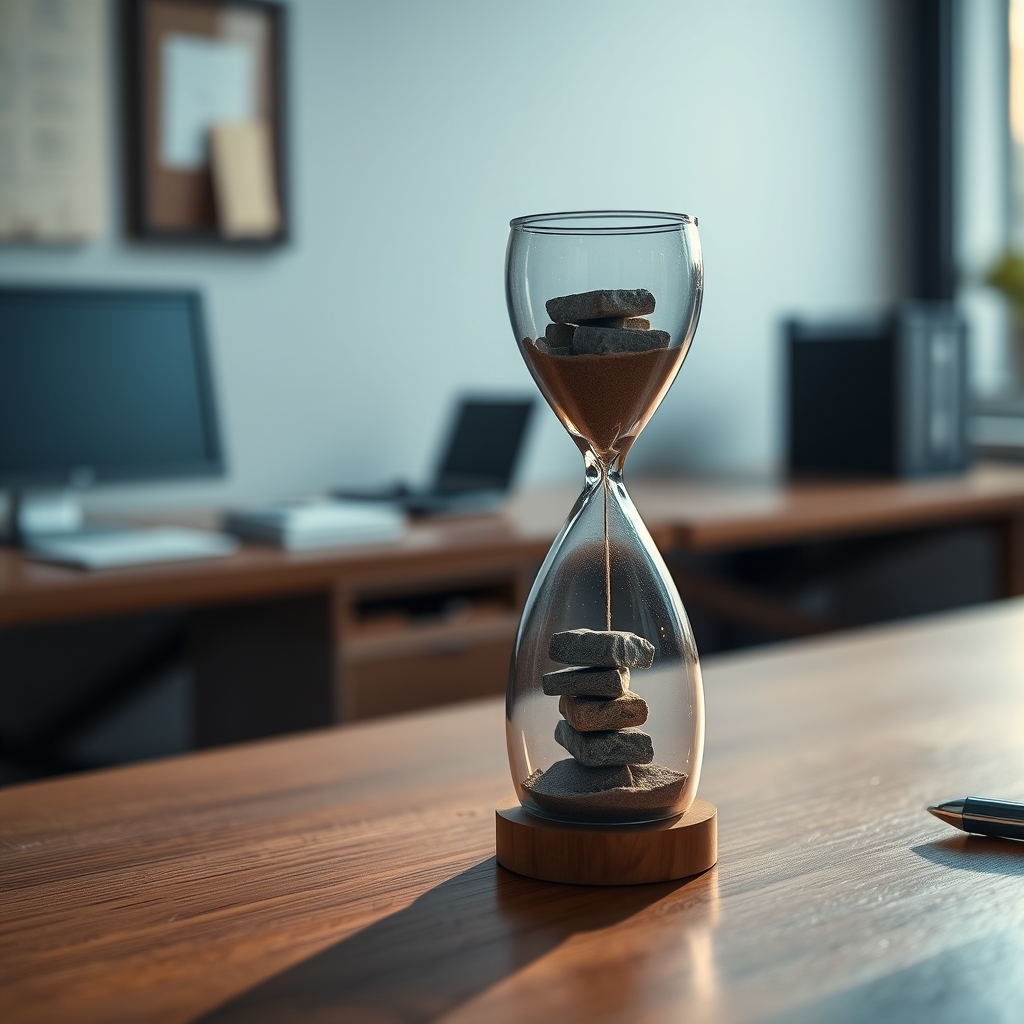
💪 A practical, actionable approach to mastering self-control through short, daily exercises, emphasizing that discipline is a cultivable skill, not an innate trait.
📝🐒 Human Notes
- 🥱 uninspiring
- ☝️ moralizing
- 🧱 banal
🤖 AI Summary
Core Philosophy
- 🧠 Self-discipline as a skill, not an innate trait; cultivable through consistent practice.
- ⏱️ Emphasis on short, actionable exercises (5 minutes daily).
- ✅ Aligning actions with intentions.
- 🚫 Breaking the cycle of laziness and procrastination.
Key Actionable Steps
- Self-Awareness:
- 🧐 Identify emotional, psychological, and biological obstacles.
- ❓ Confronting oneself with direct questions.
- 🧭 Understanding one’s discipline style.
- Goal Setting:
- 🎯 Clarify purpose and visualize goals vividly.
- 🧩 Break down large goals into manageable steps.
- 📈 Utilize SMART (Specific, Measurable, Achievable, Relevant, Time-bound) principles where applicable.
- 🗺️ Implement if-then planning.
- Habit Formation:
- 🔄 Understand the cue-routine-reward loop.
- 📍 Context-dependent repetition is key.
- 🌟 Replace old habits with new, beneficial ones.
- 💯 Consistency is paramount; habits become automatic through repetition.
- Overcoming Obstacles:
- 💡 Recognize and reframe excuses.
- 🚀 Embrace discomfort as part of growth.
- 🔇 Remove distractions and create a conducive environment.
- ⏳ Focus on long-term benefits over short-term comfort.
- 🏃 Utilize the 5-minute rule to overcome inertia.
- Mindset & Motivation:
- 🔥 Cultivate intrinsic motivation.
- 🤗 Practice self-compassion and build self-belief.
- 🌟 Visualize success and role models.
- 💪 Understand that willpower can be strengthened like a muscle.
⚖️ Evaluation
- 🎯 Focus on short, daily exercises makes the concept accessible and less intimidating.
- 🔬 Emphasizes self-discipline as a skill that can be learned and improved, aligning with psychological research on habit formation and self-regulation.
- ✅ Provides practical strategies for habit formation and overcoming procrastination, supported by behavioral science.
- 🤔 Highlights the importance of self-awareness and understanding psychological obstacles.
- 🏆 Connects self-discipline to tangible benefits like goal achievement, improved productivity, and enhanced well-being.
🔍 Topics for Further Understanding
- 🧠 The neuroscience of habit formation and self-control.
- 🚀 Advanced techniques for breaking deeply ingrained negative habits.
- 🙏 The role of mindfulness and meditation in enhancing self-discipline.
- 🛡️ Strategies for maintaining discipline during periods of high stress or unexpected life events.
- 🤝 The interplay between self-discipline, motivation, and personality traits.
- 🏞️ The impact of environmental design on self-control and habit adherence.
- 📈 Advanced goal-setting frameworks beyond SMART.
❓ Frequently Asked Questions (FAQ)
💡 Q: What is the central premise of The Power of Self-Discipline: 5-Minute Exercises to Build Self-Control, Good Habits, and Keep Going When You Want to Give Up?
✅ A: The central premise is that self-discipline is a skill that can be developed and strengthened through consistent, short daily exercises, enabling individuals to build self-control, establish good habits, and persevere through challenges.
💡 Q: How does The Power of Self-Discipline suggest overcoming procrastination?
✅ A: The book suggests understanding and breaking the cycle of laziness, confronting excuses, embracing discomfort, and utilizing techniques like the 5-minute rule to initiate tasks.
💡 Q: Is self-discipline an innate trait?
✅ A: No, The Power of Self-Discipline emphasizes that self-discipline is not an innate trait but a skill that can be cultivated and improved with practice, much like a muscle.
💡 Q: What is the significance of the 5-Minute Exercises mentioned in The Power of Self-Discipline?
✅ A: The 5-Minute Exercises are designed to be brief, actionable steps that can be easily integrated into a daily routine, making the process of building self-discipline accessible and less overwhelming.
💡 Q: Can self-discipline lead to greater happiness?
✅ A: Research suggests that self-control correlates highly with life satisfaction and happiness, as individuals with good self-control tend to avoid situations that evoke craving or conflict, leading to fewer negative emotions and a more empowered life.
📚 Book Recommendations
Similar Books
- ⚛️🔄 Atomic Habits: An Easy & Proven Way to Build Good Habits & Break Bad Ones by James Clear: Focuses on building good habits and breaking bad ones through small, incremental changes.
- ❤️🔥💪 Grit: The Power of Passion and Perseverance by Angela Duckworth: Explores the importance of sustained effort and passion in achieving long-term goals.
- 👤📈🎯🌟🔑🤝🏆 The 7 Habits of Highly Effective People by Stephen R. Covey: A classic guide to personal and professional effectiveness, emphasizing principles like proactivity and prioritizing.
Contrasting Books
- 🪖🎨 The War of Art: Break Through the Blocks and Win Your Inner Creative Battles by Steven Pressfield: Explores the internal battle against resistance and the creative process, offering a more philosophical take on overcoming inertia.
- 🌱🧘🏼♀️🏆 Mindset: The New Psychology of Success by Carol S. Dweck: Differentiates between fixed and growth mindsets, highlighting how beliefs about one’s abilities impact achievement.
Related Books
- 🤔🐇🐢 Thinking, Fast and Slow by Daniel Kahneman: Delves into the two systems that drive the way we think, offering insights into decision-making and cognitive biases.
- 🤿💼 Deep Work: Rules for Focused Success in a Distracted World by Cal Newport: Discusses the importance of focused, distraction-free work for high-value output.
🫵 What Do You Think?
🤔 Have short exercises impacted your approach to building discipline?
👍 Are there daily habits you’ve found effective in strengthening self-control?