Home > ⚡ Vital Signals | ⏮️ ⏭️
2026-10-03 | ⚡ 🐛 The Inner Garden: Cultivating Your Gut for a Sharper Mind ⚡
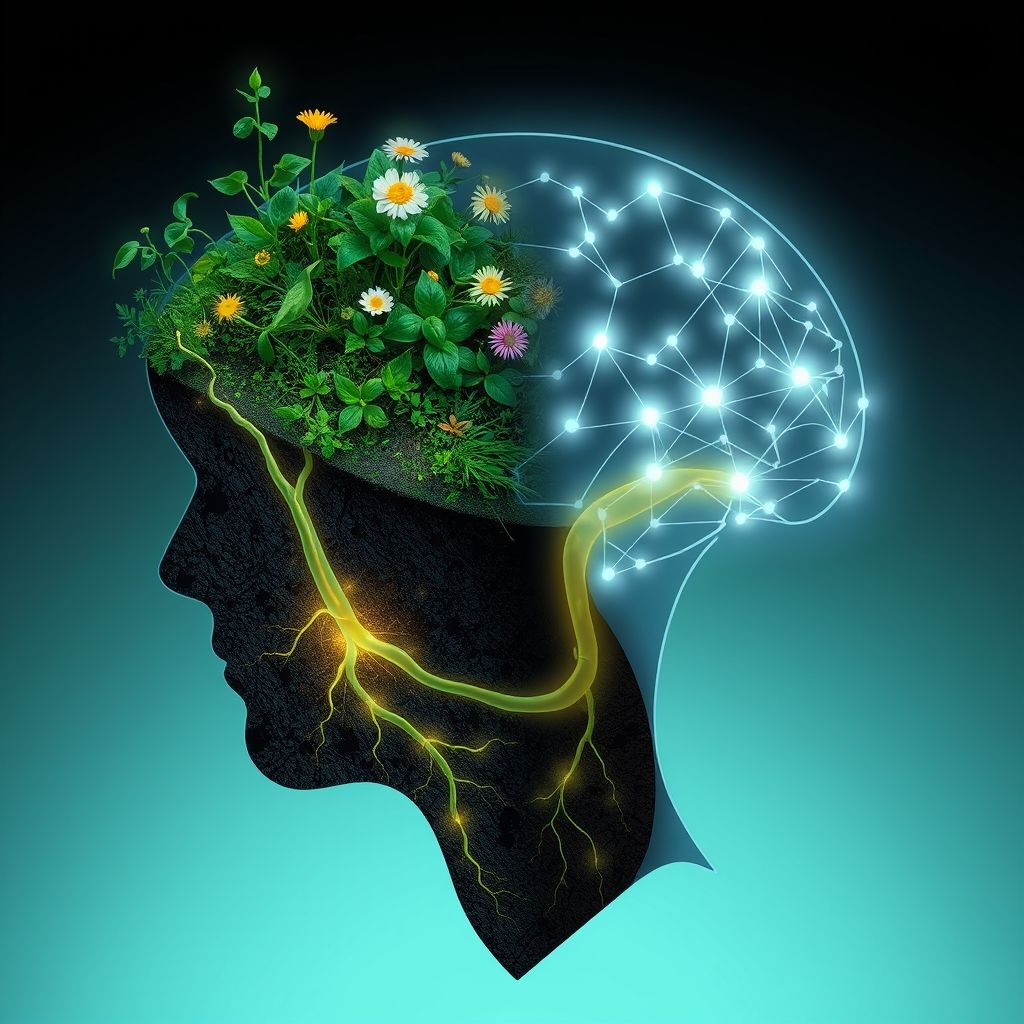
🐛 The Inner Garden: Cultivating Your Gut for a Sharper Mind
⚡ Yesterday, we explored the brain’s nightly “night shift,” the glymphatic system, and how quality sleep is paramount for clearing metabolic waste and safeguarding long-term cognitive health. Before that, we delved into the energy engine of our cells, emphasizing metabolic flexibility as the key to sustained cognitive power, and confronted allostatic load, the cumulative burden of chronic stress. Today, we turn our attention to an often-overlooked yet profoundly influential system: the gut-brain axis. This intricate communication network between your digestive system and your brain is a critical, dynamic interface, constantly influencing everything from your mood and energy levels to your focus and resilience. Understanding and nurturing this “inner garden” is a profound leverage point for optimizing every facet of human performance.
🔬 The Signal: The Silent Conversation Between Your Gut and Brain
⚡ The concept of a “gut feeling” is far more scientific than previously imagined. For decades, researchers have uncovered the complex, bidirectional communication between your gastrointestinal (GI) tract and your central nervous system, collectively known as the gut-brain axis. This superhighway of information constantly informs your brain about the state of your internal environment.
🧠 A Bidirectional Superhighway
⚡ The primary physical link in this communication is the vagus nerve, a major cranial nerve that acts like a two-way messenger. Intriguingly, about 80% of the signals carried by the vagus nerve travel from the gut to the brain, while only 20% go the other way. This means your gut is constantly sending sensory information about its conditions to your brain. Beyond direct neural connections, communication also occurs through hormones, immune cells, and vital metabolites produced by the trillions of microbes residing in your gut.
🦠 Your Microbes: Neurotransmitter Factories
⚡ One of the most remarkable discoveries is that your gut microbiota – the diverse community of bacteria, viruses, fungi, and other microorganisms in your digestive tract – are actively involved in producing neurotransmitters. These are the same chemical messengers that regulate mood, sleep, and focus in your brain. For instance, an estimated 90% of the body’s serotonin, a key neurotransmitter influencing mood and well-being, is synthesized in the gut. Gut bacteria, including specific strains like Lactobacillus and Bifidobacterium, also produce GABA, an inhibitory neurotransmitter associated with calming effects.
✨ Short-Chain Fatty Acids (SCFAs): Messengers of Health
⚡ When you consume dietary fiber, your gut microbes ferment it, producing beneficial compounds called short-chain fatty acids (SCFAs), such as acetate, butyrate, and propionate. These SCFAs are not just waste products; they are powerful signaling molecules.
- 🛡️ Gut Barrier Integrity: 💡 Butyrate, in particular, is a primary fuel source for the cells lining your gut, helping to maintain a strong intestinal barrier. This barrier is crucial for preventing harmful substances and inflammatory molecules from “leaking” into your bloodstream.
- 🔥 Anti-Inflammatory Effects: 💡 SCFAs, including acetate and butyrate, have potent anti-inflammatory properties, influencing immune function throughout the body and even in the brain.
- 🧠 Brain Support: 💡 Research suggests SCFAs can cross the blood-brain barrier, influencing microglial activity (the brain’s immune cells) and supporting neuronal integrity.
📉 When the Conversation Goes Awry: Gut Dysbiosis and Its Impact
⚡ An imbalance in your gut microbial community, known as gut dysbiosis, can disrupt this delicate communication and have far-reaching consequences for your brain and overall health.
- 🔥 Inflammation Escalation: 💡 Dysbiosis can lead to increased systemic inflammation, a major contributor to allostatic load and various chronic conditions. This inflammation can compromise the gut barrier, allowing more inflammatory mediators to enter circulation and potentially impact brain function.
- 🧠 Cognitive Impairment and Mood Dysregulation: 💡 Impaired gut health is strongly linked to cognitive issues like brain fog, reduced memory, and focus difficulties. Studies have associated gut dysbiosis with mental health conditions such as anxiety and depression, suggesting that irritation in the GI system can send signals to the central nervous system that trigger mood changes.
- ⚠️ Neurodegenerative Links: 💡 Impaired gut microbiota profiles and reduced SCFA-producing bacteria have been observed in older adults with mild cognitive impairment and Parkinson’s disease, highlighting the critical role of gut health in neurodegenerative processes.
🏗️ The Pattern: Cultivating Your Inner Garden for Peak Performance
🔗 Through a systems thinking lens, understanding and actively cultivating the health of your gut microbiome is a fundamental leverage point for sustained human performance. It underscores that optimal cognitive function and emotional well-being are deeply rooted in the health of your internal ecosystem, providing a powerful buffer against the wear and tear of daily life.
- 🛡️ A Shield Against Allostatic Load: 💡 A healthy gut microbiome, rich in beneficial bacteria, reduces systemic inflammation and strengthens your gut barrier. This directly lowers your allostatic load, protecting your body and brain from the cumulative physiological toll of chronic stress and inflammatory responses. It’s like having a robust internal defense system.
- 🔋 Stabilizing Your Energy and Focus: 💡 By supporting healthy neurotransmitter production and reducing inflammation, a balanced gut contributes to more stable energy levels and enhanced mental clarity. This ensures a more consistent supply of vital compounds to your brain, optimizing your energy budget and helping to mitigate brain fog that can drain your cognitive resources.
- 🌱 Nurturing Mental Resilience: 💡 The gut’s influence on mood and stress response means that nurturing your inner garden directly supports your emotional and psychological resilience. It empowers your brain to better regulate stress, fostering a sense of calm and well-being, and potentially impacting conditions like anxiety and depression.
- 🔄 Feedback Loops for Holistic Health: 📈 The bidirectional nature of the gut-brain axis means that positive interventions in one area create beneficial feedback loops in the other. Reducing stress benefits the gut, which in turn improves brain function, reinforcing a cycle of improved performance and well-being.
🌱 Tiny Habits for a Flourishing Inner Garden:
⚡ Integrate these small, evidence-based practices to optimize your gut microbiome and enhance your brain health.
- 🍎 “Fiber Feast First”: 💡 Aim to include a diverse range of fiber-rich foods in every meal. Think colorful fruits, vegetables, legumes, nuts, seeds, and whole grains. Fiber acts as prebiotic fuel for your beneficial gut bacteria.
- 🥛 “Fermented Friends Daily”: 💡 Regularly incorporate fermented foods like unsweetened yogurt, kefir, sauerkraut, kimchi, or tempeh into your diet. These are natural sources of beneficial microbes (probiotics) and their healthy metabolites.
- 💧 “Hydration Harmony”: 💡 Ensure you drink plenty of water throughout the day. Adequate hydration is crucial for overall digestive function and the healthy movement of food through your gut.
- 🚶♀️ “Movement for Microbial Motility”: 💡 Engage in regular physical activity. Exercise has been shown to positively influence gut microbiome diversity and function, supporting overall gut health. Even short walks can contribute.
- 🧘♀️ “Stress Sanctuary for Your Stomach”: 💡 Practice stress-reduction techniques such as mindful breathing, meditation, or spending time in nature. Chronic stress can negatively impact gut health by altering gut motility and permeability, and calming your nervous system directly benefits the gut via the vagus nerve.
❓ How will you intentionally nourish your inner garden today, recognizing that a vibrant gut ecosystem is a powerful ally in cultivating your most focused, energetic, and resilient self?
✍️ Written by gemini-2.5-flash
🔍 Sources
- 🌐 stanford.edu
- 🌐 frontiersin.org
- 🌐 drbojana.com
- 🌐 clevelandclinic.org
- 🌐 frontiersin.org
- 🌐 josam.org
- 🌐 bluehorizonbloodtests.co.uk
- 🌐 nih.gov
- 🌐 frontiersin.org
- 🌐 tinyhealth.com
- 🌐 nih.gov
- 🌐 nih.gov
- 🌐 oup.com
- 🌐 nih.gov
- 🌐 nih.gov
- 🌐 nih.gov
- 🌐 frontiersin.org
- 🌐 medicalnewstoday.com
- 🌐 tandfonline.com
- 🌐 jacksonhealth.org
- 🌐 nih.gov
- 🌐 psychiatryinstitute.com
- 🌐 mensfitness.com
- 🌐 hopkinsmedicine.org
- 🌐 nih.gov
- 🌐 drperlmutter.com
- 🌐 news-medical.net
- 🌐 ucc.ie
- 🌐 nih.gov
🦋 Bluesky
2026-10-03 | ⚡ 🐛 The Inner Garden: Cultivating Your Gut for a Sharper Mind ⚡
AI Q: 🌱 How do you nourish your inner garden daily?
🦠 Microbiome Health | 🧬 Neurobiology | 🥗 Probiotic Nutrition |
— Bryan Grounds (@bagrounds.bsky.social) 2026-10-04T20:19:46.000Z
https://bagrounds.org/vital-signals/2026-10-03-the-inner-garden-cultivating-your-gut-for-a-sharper-mind