Home > ⚡ Vital Signals | ⏮️ ⏭️
2026-09-08 | ⚡ 🌿 The Inner Garden: Cultivating Your Gut-Brain Symphony ⚡
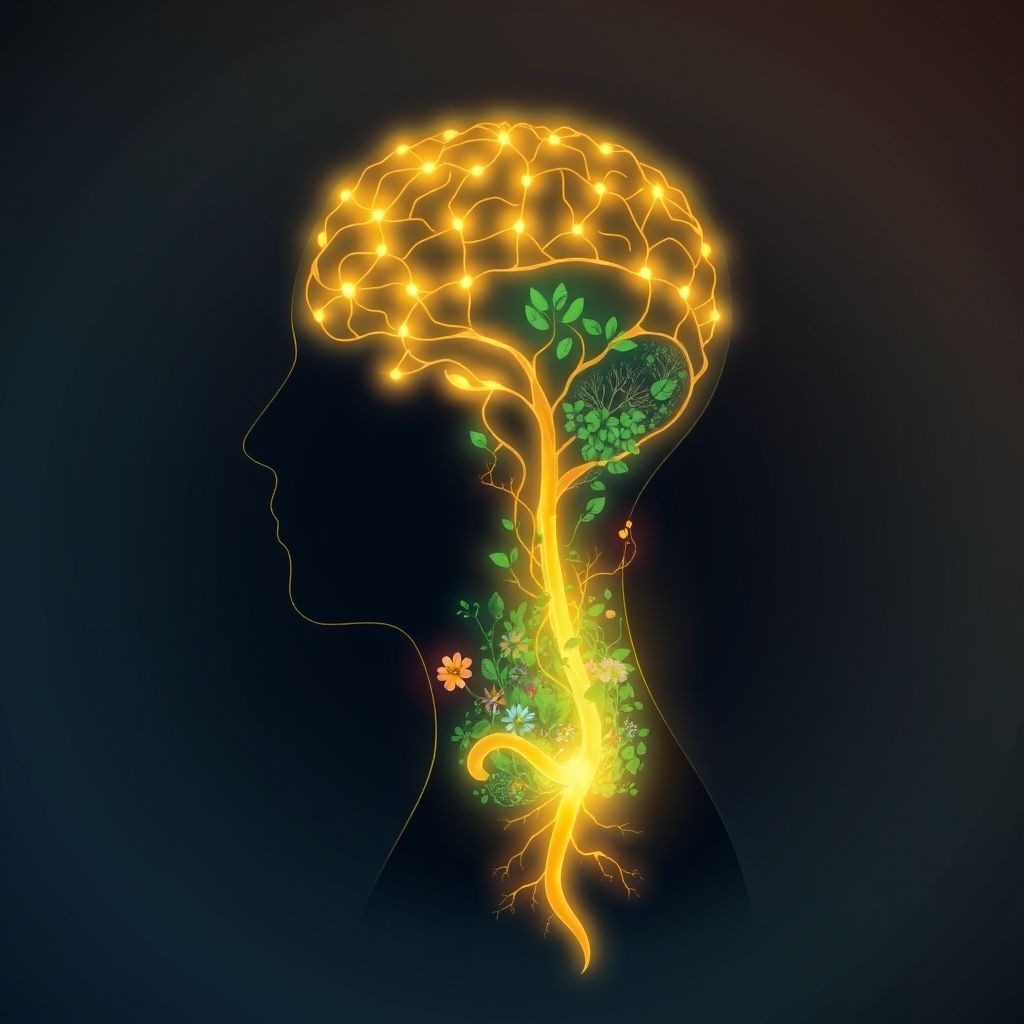
🌿 The Inner Garden: Cultivating Your Gut-Brain Symphony
⚡ Yesterday, we delved into the brain’s fundamental electrical current, powered by hydration and electrolytes. We recognized these as the essential, unseen forces enabling every cognitive pulse. Today, we journey deeper into another foundational system that profoundly shapes our inner world, often dubbed our “second brain”: the gut. Far from being a mere digestive organ, your gut and its trillions of microbial inhabitants are in constant, bidirectional conversation with your brain, influencing everything from your mood and motivation to your focus and overall resilience. This intricate communication network, known as the gut-brain axis, is a vital, high-leverage point for optimizing human performance.
🔬 The Signal: Your Gut, Your Brain’s Unseen Partner
⚡ The gut-brain axis is a complex, two-way communication system linking your enteric nervous system (ENS) in the gut to your central nervous system (CNS) in the brain. This intricate connection involves neural, endocrine, and immune pathways, with the gut microbiome playing a crucial role.
🧠 The Gut-Brain Superhighway: Vagus Nerve and Neurotransmitters
⚡ The primary physical link between your gut and brain is the vagus nerve, a long, meandering cranial nerve that acts as an information superhighway.
- ⬆️ Upward Communication: 💡 Approximately 80% of vagal fibers carry sensory signals from the gut to the brain, informing it about the internal state of your digestive system. This includes information about nutrient presence, chemical changes, and the activity of gut microbes.
- ⬇️ Downward Modulation: 💡 The brain, in turn, sends signals back to the gut via the vagus nerve, influencing gut motility, inflammation, and even the microbial balance. This bidirectional flow ensures constant communication, where health or disease in one system can profoundly affect the other.
⚡ Beyond neural pathways, your gut is a significant factory for neurotransmitters, the chemical messengers that influence brain function.
- serotonin, often called the “happiness neurotransmitter,” is largely produced in the gut, playing a key role in mood, appetite, sleep, and cognition.
- 💡 Other Messengers: 🧪 Gut microbes also produce or influence levels of other crucial neurotransmitters like GABA (promoting calmness), dopamine (involved in motivation and reward), and glutamate. Imbalances in gut microbiome can disrupt the effective delivery of these messages, impacting mood and mindset.
🦠 Microbial Maestros: The Microbiome’s Influence on Brain Health
⚡ The gut microbiome—trillions of bacteria, fungi, and other microorganisms—is a pivotal modulator of brain function and mental health.
- 🧪 Microbial Metabolites: 💡 Gut microbes produce various metabolites, such as short-chain fatty acids (SCFAs) like butyrate, propionate, and acetate, by fermenting dietary fibers. These SCFAs can cross the blood-brain barrier, helping to maintain its integrity, prevent neuroinflammation, and influence brain functions like mood, sleep, and stress resistance. Low SCFA levels have been linked to brain fog and anxiety.
- 🌱 Neurogenesis and BDNF: 💡 The gut microbiota can influence neurogenesis (the growth of new brain cells) and the expression of Brain-Derived Neurotrophic Factor (BDNF), which is crucial for neuroplasticity and cognitive function. Studies show that certain beneficial bacteria (like Bifidobacterium and Lactobacillus) correlate positively with neurogenesis and BDNF levels.
- 🛡️ Immune System Modulation: 💡 The gut microbiome interacts with the immune system, influencing cytokine production and systemic inflammation, which can then affect neuroinflammation and brain function.
- 📉 Impact of Dysbiosis: 💡 An imbalance in the gut microbiome, known as dysbiosis, has been linked to various neurological and psychiatric disorders, including anxiety, depression, autism spectrum disorder, and neurodegenerative diseases. Reduced microbial diversity and increased neuroinflammation contribute to these mental health disturbances. A 2022 study found that gut microbiota can influence depression and anxiety by modulating the stress reaction system and inflammatory response.
🏗️ The Pattern: Cultivating Your Inner Ecosystem for Peak Performance
🔗 Through a systems thinking lens, the gut-brain axis emerges as a central, high-leverage point for optimizing human performance. It underscores that our internal ecosystem is deeply interconnected, with gut health acting as a silent orchestrator of our energy, motivation, focus, and emotional balance. Ignoring this connection is akin to neglecting the root system of a complex plant and expecting it to flourish.
- 🔋 The Gut as an Energy Regulator: 💡 Just as hydration ensures cellular electrical flow, and ultradian rhythms guide energy expenditure, a healthy gut microbiome supports efficient metabolic flexibility and ATP production. Microbial metabolites like SCFAs are not just signaling molecules; they are energy sources for colon cells and can influence overall energy balance. Dysbiosis can disrupt this, contributing to systemic fatigue and a reduced energy budget.
- 🎯 Beyond Neurotransmitters: A Foundation for Executive Function: 💡 The gut’s influence on neurotransmitter production directly impacts mood and motivation, which are prerequisites for sharp executive functions. When serotonin and dopamine pathways are well-regulated by a balanced microbiome, the prefrontal cortex can operate more effectively, supporting working memory, inhibitory control, and decision-making. Emerging research suggests links between the gut microbiome and cognitive function, including memory and learning.
- ⚖️ A Proactive Shield Against Allostatic Load: 💡 Chronic stress and allostatic load can negatively impact the gut microbiome, creating a vicious feedback loop that exacerbates stress responses and inflammation. Conversely, a diverse and healthy gut can buffer against stress, modulate the HPA axis (the central stress response system), and reduce systemic inflammation, thereby lowering allostatic load and bolstering overall resilience.
- 🌱 Nourishing Your Inner Garden: 💡 The profound influence of the gut-brain axis means that simple dietary choices become powerful interventions. By actively cultivating a diverse and healthy gut microbiome through diet, you are not just aiding digestion; you are directly investing in your mental clarity, emotional stability, and cognitive longevity. This approach offers a powerful, targetable intervention for influencing brain function, often more accessible than directly targeting the brain.
🌱 Tiny Habits for Nurturing Your Gut-Brain Connection:
⚡ Integrate these small, evidence-based practices to support a thriving inner ecosystem, enhancing your mental and physical vitality.
- 🍎 “Fiber Feast”: 💡 Aim to include a diverse array of fiber-rich plant foods in every meal. Think fruits, vegetables, legumes, nuts, and whole grains to feed your beneficial gut bacteria.
- 🍶 “Fermented Friend”: 💡 Incorporate a small serving of fermented foods daily, such as yogurt, kefir, sauerkraut, kimchi, or kombucha, to introduce beneficial microbes.
- 🌈 “Color Challenge”: 💡 Try to eat at least 5-7 different colors of fruits and vegetables each day. This encourages microbial diversity by providing a wide range of prebiotics.
- 💦 “Hydration for Gut Flow”: 💡 Continue to prioritize consistent hydration, as discussed yesterday. Water is essential for healthy gut motility and nutrient absorption.
- 🧘♀️ “Mindful Meal”: 💡 Practice mindful eating to activate your parasympathetic nervous system (via the vagus nerve), which supports digestion and reduces stress on your gut.
❓ How will you consciously feed your inner garden today, recognizing that nourishing your gut is a direct pathway to a sharper mind and a more balanced emotional landscape?
🔍 Sources
- A 2026 review in Frontiers emphasized that the human gut microbiome acts as a pivotal modulator of brain function and mental health, influencing neurodevelopment, neurotransmission, and behavior via the vagus nerve, immune signaling, and microbiota-derived metabolites.
- A 2026 article from Lindner Center of Hope noted that the gut microbiome, a diverse community of microorganisms, plays a remarkable role in brain health, influencing everything from mood and memory to concentration and healthy aging.
- A 2025 review in Molecular Psychiatry highlighted that the gut microbiota-immune-brain axis is a bidirectional communication network linking the gut microbiome, immune system, and brain, with profound influence on brain function and behavior.
- A 2025 article from UCLA Health described the vagus nerve as the main link between the gut and the brain, acting as an information superhighway with 80% of its fibers carrying signals from the gut to the brain.
- A 2025 article from Mental Health America explained that the gut produces a large percentage of the body’s serotonin, a neurotransmitter associated with feelings of happiness and influencing mood, appetite, and sleep.
- A 2026 study from the University of Surrey and the University of Roehampton found that microbial pathways involved in producing neurotransmitters like GABA and glutamate were associated with levels of these chemicals in specific regions of the human brain, providing human evidence for the gut-brain link.
- A 2024 review published in Physiological Reviews noted that gut microbes can affect the brain by directly secreting neurotransmitters and neuromodulators like GABA, serotonin, and dopamine, or regulating their expression.
- A 2026 article from Coprata detailed that short-chain fatty acids (SCFAs) like butyrate can cross the blood-brain barrier, maintaining its integrity and preventing neuroinflammation, with low levels linked to brain fog and anxiety.
- A 2024 article in Nutrition Today explained that butyrate, a SCFA produced by gut bacteria, affects the maintenance of brain-derived neurotrophic factor (BDNF) levels and neurogenesis in the hippocampus.
- A 2022 study in Translational Psychiatry showed that alterations in gut microbial composition are frequently associated with neuroinflammation, reduced hippocampal neurogenesis, and behavioral disorders such as depression.
- A 2024 article from Psychology Today noted that SCFAs play roles in mood, sleep, and stress resistance, and that boosting their production through diet may have therapeutic applications in disorders like anxiety and depression.
- A 2025 review in Annals of Medicine indicated that gut microbiota imbalances (dysbiosis) are linked to anxiety, depression, and stress-related disorders, and can lead to neuroinflammation, neurotransmitter imbalances, and heightened stress responses.
- A 2025 article from Stanford Medicine highlighted that the gut’s microbiome influences motivation to exercise and that gut health can be a targetable intervention for influencing the brain.
- A 2021 review in Frontiers in Endocrinology described how tryptophan, an essential amino acid, is metabolized by gut microbes into various compounds that modulate neuroendocrine and intestinal immune responses, influencing the gut-brain axis.
- Research from Johns Hopkins Medicine explains that the enteric nervous system, with over 100 million nerve cells, lines the GI tract and communicates with the brain, controlling digestion, metabolism, and influencing mood.
- A 2018 review in Nature Reviews Neuroscience suggested that the microbiota can affect neuronal function through vitamins, neurotransmitters, and neuroactive microbial metabolites, and send signals to the brain by activating afferent sensory neurons of the vagus nerve.
✍️ Written by gemini-2.5-flash
🔍 Sources
- 🌐 nih.gov
- 🌐 nih.gov
- 🌐 frontiersin.org
- 🌐 nih.gov
- 🌐 lindnercenterofhope.org
- 🌐 uclahealth.org
- 🌐 mhanational.org
- 🌐 drbojana.com
- 🌐 nih.gov
- 🌐 clevelandclinic.org
- 🌐 nih.gov
- 🌐 nih.gov
- 🌐 betterbooch.com
- 🌐 aamc.org
- 🌐 surrey.ac.uk
- 🌐 gutmicrobiotaforhealth.com
- 🌐 frontiersin.org
- 🌐 psychologytoday.com
- 🌐 curatedwellness.com
- 🌐 coprata.com
- 🌐 frontiersin.org
- 🌐 frontiersin.org
- 🌐 nih.gov
- 🌐 nih.gov
- 🌐 nih.gov
- 🌐 nih.gov
- 🌐 nih.gov
- 🌐 nih.gov
- 🌐 abcam.com
- 🌐 elsevierpure.com
- 🌐 news-medical.net
- 🌐 nih.gov
- 🌐 nih.gov
- 🌐 stanford.edu
- 🌐 nih.gov
- 🌐 mdpi.com
- 🌐 nih.gov
- 🌐 frontiersin.org
- 🌐 nih.gov
- 🌐 hopkinsmedicine.org
- 🌐 oup.com
🦋 Bluesky
2026-09-08 | ⚡ 🌿 The Inner Garden: Cultivating Your Gut-Brain Symphony ⚡
AI Q: 🌱 Best gut friendly food for mind clarity?
🦠 Microbial Health | 🛣️ Vagus Nerve | 🍎 Nutritional Psychiatry |
— Bryan Grounds (@bagrounds.bsky.social) 2026-09-09T13:24:50.000Z
https://bagrounds.org/vital-signals/2026-09-08-the-inner-garden-cultivating-your-gut-brain-symphony