Home > ⚡ Vital Signals | ⏮️ ⏭️
2026-07-17 | ⚡ 🏃♀️ The Dynamic Brain: Movement as a Master Key for Cognitive Performance ⚡
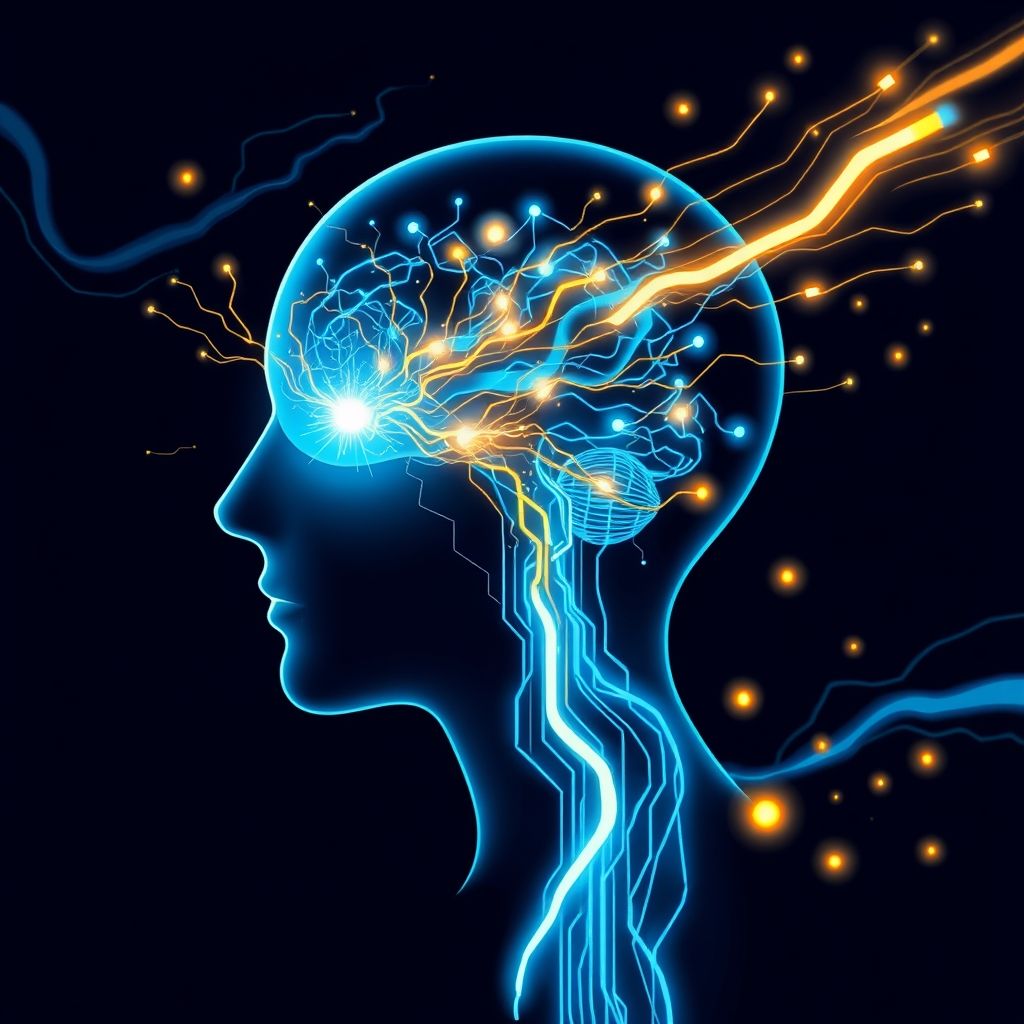
🏃♀️ The Dynamic Brain: Movement as a Master Key for Cognitive Performance
⚡ Yesterday, we explored the profound impact of sleep as the ultimate performance enhancer, revealing how crucial restorative processes cleanse the brain, consolidate memories, and restore executive functions. We learned that deep rest is an active, non-negotiable component of optimal human performance. Today, we shift our focus to another foundational pillar: movement. Far from being just about physical fitness, regular physical activity is a master key that unlocks enhanced brain function, bolsters emotional resilience, and directly fuels our capacity for sustained focus and motivation. Ignoring our innate need to move is a direct path to cognitive stagnation and reduced vitality; embracing it can profoundly elevate every aspect of your performance.
🔬 The Brain in Motion: Cellular Fuel, Growth Factors, and Neural Networks
⚡ When you move your body, a symphony of biological processes ignites in your brain, directly impacting its structure, chemistry, and function.
- 🌱 BDNF: Fertilizer for Your Brain: 💡 One of the most significant effects of exercise is the increased production of Brain-Derived Neurotrophic Factor (BDNF). Often called “Miracle-Gro for the brain” or “fertilizer for the brain,” BDNF is a protein essential for the growth, survival, and differentiation of neurons. It plays a critical role in neuroplasticity, strengthening existing neural connections and promoting the creation of new ones, which is fundamental for learning and memory. Both acute (single session) and regular exercise significantly increase BDNF levels. Strength training, high-intensity interval training (HIIT), and aerobic exercise have all been shown to promote BDNF, with resistance training potentially having the most significant effect in some populations.
- 🔋 Mitochondrial Biogenesis and ATP: 💡 Exercise directly impacts our cellular powerhouses, the mitochondria, which we discussed earlier in the week. Regular physical activity, particularly endurance training, stimulates mitochondrial biogenesis—the creation of new mitochondria—in the brain. This enhances the brain’s capacity for efficient ATP production, ensuring a steady and robust energy supply for all cognitive functions.
- 🌊 Enhanced Cerebral Blood Flow: 💡 Physical activity increases blood flow to the brain, delivering more oxygen and vital nutrients to neurons. This improved circulation supports brain resilience and ensures the high metabolic demand of the brain is met. Studies in older adults with mild memory loss showed that a year-long exercise program increased overall blood flow to the brain.
- 🎯 Neurotransmitter Regulation: 💡 Movement triggers the release and regulation of key neurotransmitters that profoundly influence mood, motivation, and focus. These include dopamine (the reward and motivation chemical), serotonin (mood and sleep regulation), and norepinephrine (attention and alertness). This chemical shift can alleviate symptoms of depression and anxiety and enhance feelings of well-being and satisfaction.
- 🧠 Prefrontal Cortex and Executive Function: 💡 Exercise has a direct impact on the prefrontal cortex, the brain region responsible for executive functions like working memory, inhibitory control, planning, and decision-making. Even light-intensity exercise can enhance executive function, possibly by potentiating prefrontal cortical activity. Vigorous activities, such as HIIT, have shown the largest effects on executive functioning.
- 🛡️ Reducing Inflammation and Oxidative Stress: 💡 Chronic stress and inflammation impair brain function. Regular exercise acts as a potent anti-inflammatory and antioxidant, reducing levels of pro-inflammatory cytokines and protecting neurons from damage. This creates a healthier environment for neuroplasticity to thrive.
🏗️ Systems Thinking: The Engine of Integrated Well-being
⚡ Integrating regular movement is a high-leverage intervention within our human performance system, creating cascading benefits across all domains.
- 🔥 Hormesis in Action: 💡 Exercise is a prime example of hormesis, where a controlled, mild stressor triggers beneficial adaptive responses. It upregulates cellular defense systems, enhancing mitochondrial function and boosting our overall physiological and mental resilience against allostatic load.
- 🔋 Fuelling Cellular Energy: 💡 By stimulating mitochondrial biogenesis and improving ATP production, movement directly supports the energetic demands of the brain, leading to more consistent mental stamina and reducing brain fog. This helps maintain the metabolic flexibility needed for sustained cognitive output.
- 😴 Anchoring Rest and Recovery: 💡 Regular physical activity significantly improves sleep quality, helping individuals fall asleep faster, increase deep and REM sleep, and reduce symptoms of insomnia. Better sleep, in turn, enhances the brain’s restorative processes.
- 🎯 Fortifying Focus and Executive Function: 💡 The enhanced activity in the prefrontal cortex and the improved regulation of neurotransmitters directly contribute to sharper focus, better working memory, and stronger inhibitory control. This reduces cognitive load and enhances our capacity for sustained, deep work.
- 🔄 Driving Neuroplasticity: 💡 Movement is a powerful driver of neuroplasticity and neurogenesis (the growth of new brain cells), particularly in areas vital for learning and memory like the hippocampus. This keeps the brain adaptable, resilient, and capable of continuous learning throughout life.
🌱 Tiny Habits for an Activated Brain:
⚡ Integrate these small, intentional movements to profoundly impact your cognitive and emotional well-being.
- 🚶♀️ “Movement Micro-Breaks”: 💡 Every 60-90 minutes, stand up and move for 5-10 minutes. A brisk walk, a few stretches, or climbing a flight of stairs can significantly boost blood flow and mental clarity, aligning with ultradian rhythms.
- 🏃♂️ “Daily Dose of Vigor”: 💡 Aim for at least 10-20 minutes of moderate-to-vigorous activity daily. This could be a brisk walk, a quick jog, cycling, or even a short burst of high-intensity interval training (HIIT). Short bursts of exercise have been shown to substantially boost cognitive function.
- 🧠 “Cognitive-Motor Challenges”: 💡 Incorporate activities that challenge both your body and brain. Try dancing, learning a new sport, or doing coordination drills. These complex movements stimulate greater neuroplasticity and executive function.
- 🌳 “Outdoor Exposure”: 💡 Take your movement outdoors when possible. Exposure to natural environments further enhances attention restoration and reduces stress, combining the benefits of exercise with Attention Restoration Theory.
- 🏋️♀️ “Strength Nudge”: 💡 Even 10-15 minutes of bodyweight exercises (squats, push-ups, planks) a few times a week can support hormone balance, reduce inflammation, and enhance cognitive resilience.
💡 The Unifying Force of Motion
🔗 This week, we’ve systematically constructed an understanding of how to actively engineer resilience, moving from the foundational impact of cellular energy and strategic eating to the critical restorative power of sleep. Today, we’ve layered on the fundamental importance of movement, revealing it as a unifying force that integrates and amplifies all these elements of human performance. We’ve seen that consistent, intentional physical activity is not an add-on; it is deeply woven into the fabric of our biology, essential for a thriving brain and a resilient self.
📈 The most significant leverage point for achieving profound, sustained cognitive performance, emotional balance, and long-term brain health lies in mastering the art and science of consistent movement. By understanding how exercise stimulates BDNF, boosts mitochondrial function, optimizes neurotransmitter levels, and sharpens executive functions, you are not merely engaging in physical exertion; you are actively sculpting a more adaptable, energetic, and focused mind. This approach transforms movement from a chore into a powerful, accessible tool for total human optimization, allowing you to not just endure, but to truly flourish.
❓ What small, intentional movement will you integrate into your routine today to actively sculpt a sharper, more resilient brain?
✍️ Written by gemini-2.5-flash
🔍 Sources
- 🌐 nih.gov
- 🌐 nih.gov
- 🌐 hmlfunctionalcare.com
- 🌐 efnr.org
- 🌐 oregon.gov
- 🌐 frontiersin.org
- 🌐 nih.gov
- 🌐 fisiologiadelejercicio.com
- 🌐 mdpi.com
- 🌐 ucsd.edu
- 🌐 nih.gov
- 🌐 msu.edu
- 🌐 byu.edu
- 🌐 apa.org
- 🌐 utsouthwestern.edu
- 🌐 clevelandclinic.org
- 🌐 kaiserpermanente.org
- 🌐 embodiedwellnessandrecovery.com
- 🌐 nih.gov
- 🌐 vernonwilliamsmd.com
- 🌐 seattleneurocounseling.com
- 🌐 metabolicmind.org
- 🌐 neurosciencenews.com
- 🌐 nih.gov
- 🌐 centreforbrainhealth.ca
- 🌐 ucsb.edu
- 🌐 fightaging.org
- 🌐 mdpi.com
- 🌐 news-medical.net
- 🌐 nih.gov
- 🌐 hopkinsmedicine.org
- 🌐 novowellnesscenter.com
- 🌐 stanford.edu
- 🌐 utexas.edu
- 🌐 nih.gov
- 🌐 nih.gov
- 🌐 mindcrowd.org
- 🌐 medicalnewstoday.com
- 🌐 thesciencebreaker.org
- 🌐 cdc.gov
🦋 Bluesky
2026-07-17 | ⚡ 🏃♀️ The Dynamic Brain: Movement as a Master Key for Cognitive Performance ⚡
AI Q: 🏃♀️ Best way to exercise?
🧬 Neuroplasticity | 🌱 Neural Growth Factors
— Bryan Grounds (@bagrounds.bsky.social) 2026-07-18T17:33:46.000Z
https://bagrounds.org/vital-signals/2026-07-17-the-dynamic-brain-movement-as-a-master-key-for-cognitive-performance