🌿🐚 Growing Centenarian Rhubarb in the PNW
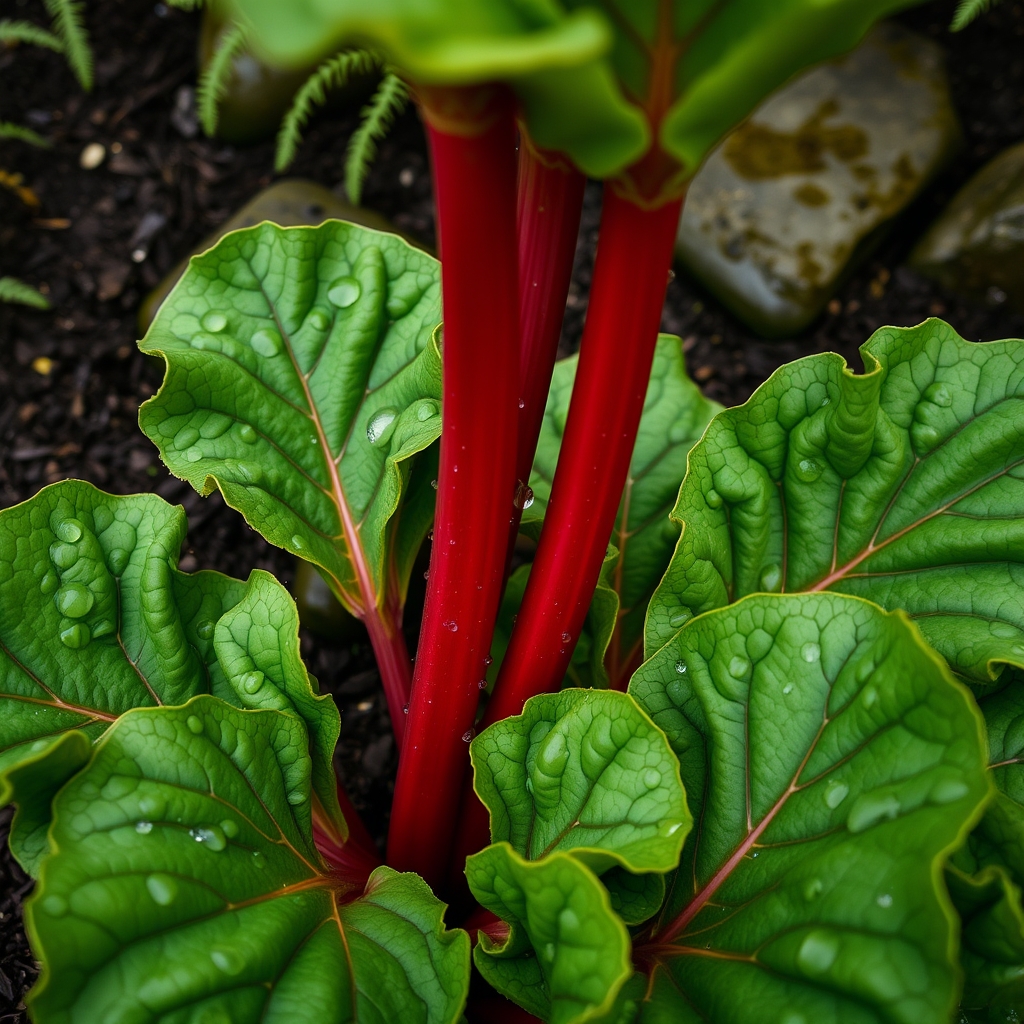
🤖 AI Summary
🤖 A concise, education-first guide to long-lived rhubarb in the Pacific Northwest based on university extension research.
📍 Site Selection
📍 Rhubarb thrives in the PNW maritime climate with its cool springs, natural moisture, and winter chill hours.
- ☀️ Full sun to partial shade (6+ hours ideal)
- 🏞️ Well-drained soil is critical - crowns rot in standing water
- 📊 pH 6.0-7.0 (slightly acidic to neutral)
- 🍃 Space for a 4-foot diameter mature plant
- 📍 Permanent location - rhubarb dislikes being moved once established
🌱 Planting & Establishment
- 🌱 Plant crowns in early spring (February-March in PNW) when dormant
- 📏 Space 3-4 feet apart
- ⬇️ Plant crown buds 1-2 inches below soil surface
- 🚫 Wait 2 years before first harvest to establish roots
🔄 Longevity & Renewal
🔄 Rhubarb can live 50-100+ years with proper care.
🪓 Dividing Old Plants
🔄 Divide every 5-10 years when productivity declines:
- 🪓 Dig entire crown in early spring
- 🔪 Cut into sections with 2-3 buds each
- ✂️ Trim damaged roots
- 🌱 Replant immediately at same depth
- 💧 Water thoroughly
🔪 Each division needs at least one bud and healthy root tissue. Discard the oldest, woodiest center portions.
🪴 Propagation
- 🌱 Crown division is the recommended method
- 📅 Divide when plant produces 25-30+ small stalks instead of 12-18 large ones (typically year 5-6)
- 🌿 5-6 year old crowns yield 8-10 good divisions
- 🏷️ Obtain planting stock from reputable nurseries - avoid bringing diseased crowns from old fields
🍓 Varieties for PNW
| 🍓 Variety | 📊 Type | 📝 Notes |
|---|---|---|
| 🌹 Crimson (Cherry, Red, Wine) | 🔴 Red | Leading PNW variety, red throughout |
| 💜 Valentine | 🔴 Red | Vigorous, good color |
| 🍒 Canada Red | 🔴 Red | Sweet, good color |
| 💚 Victoria | 🟢 Green/speckled | Reliable, popular for forcing |
| 🍎 MacDonald | 💗 Pink | Good producer |
| 🌳 Riverside Giant | 🟢 Green | Cold-hardy, large stalks |
🐛 Pests & Diseases
🐛 Rhubarb is remarkably pest-resistant in the PNW.
🐛 Main Concerns
- 🐌 Slugs: Use iron phosphate bait in fall/wet season
- 🦠 Crown rot: Prevent with good drainage - plant in raised beds if needed
- 🟤 Red leaf bacteria: Remove infected plants promptly
- 🐛 Rhubarb curculio: Rare in PNW, remove by hand
⚠️ Never use pesticides on rhubarb - the stalks absorb chemicals. Use organic methods only.
✂️ Harvesting
- ⏳ Wait 2 years after planting before first harvest
- 📏 Harvest stalks when 12-18 inches long
- ✋ Grasp at base, twist and pull - avoid cutting to prevent disease entry
- 🚫 Never harvest more than 1/3 to 1/2 of plant at once
- 🌱 Always leave 2+ stalks to sustain the crown
- 📅 Normal harvest lasts 8 weeks (April-June in PNW)
- 🛑 Stop harvesting by late July to allow energy storage for next year
🥄 Storage
- 🧊 Refrigerate in perforated plastic bags
- ⏰ Keeps 2-4 weeks at 32°F with 95-100% humidity
- 🧊 Freeze cut pieces for up to one year
⚠️ Safety
⚠️ Leaves are toxic - contain high oxalic acid.
🥄 Only the leaf stalks (petioles) are edible.
🥶 Frost-damaged stalks may have oxalic acid moved into stems - discard if soft or limp.
📅 Seasonal Care (PNW)
❄️ Winter (December-February)
- 🌾 Apply 2-3 inches mulch after ground freezes
- ❄️ Let natural cold provide dormancy (critical for spring vigor)
🌸 Early Spring (February-March)
- 🌱 Remove mulch gradually
- 👀 Watch for emergence (often February in western WA/OR)
- 🪴 Divide and replant as crowns emerge
☀️ Peak Season (April-June)
- ✂️ Harvest regularly - cut outer stalks at base
- 💧 Water during dry spells (1 inch per week)
- 🌸 Remove flower stalks to redirect energy to stalks
🌞 Late Summer (July-August)
- 🛑 Reduce harvesting
- 🌱 Apply side-dressing of compost
🍂 Fall (September-November)
- 🍂 Clean up dead foliage
- 🐛 Apply slug bait before rains
- 🌾 Mulch for winter
📚 References
📚 OSU Extension: Grow Your Own Rhubarb - https://extension.oregonstate.edu/catalog/ec-797-grow-your-own-rhubarb
📚 OSU Ohioline: Growing Rhubarb in the Home Garden - https://ohioline.osu.edu/factsheet/hyg-1631
📚 WSU Extension: Growing Rhubarb in Home Gardens - https://pubs.extension.wsu.edu/growing-rhubarb-in-home-gardens
📚 MSU Extension: Renewing Old Rhubarb Plants - https://www.canr.msu.edu/news/renewing_old_rhubarb_plants
📚 OSU Oregon Vegetables: Rhubarb - https://horticulture.oregonstate.edu/oregon-vegetables/rhubarb-0
🌱 Master Gardener Programs
🌱 WSU Clark County Master Gardeners - https://extension.wsu.edu/clark/master-gardeners
🌱 WSU King County Master Gardeners - https://extension.wsu.edu/king/mg-home/join-us
🦋 Bluesky
🌿🐚 Growing Centenarian Rhubarb in the PNW
AI Q: 🥧 What is the best way to prepare fresh rhubarb?
🚜 Home Horticulture | 🥧 Edible Perennials | 🌦️ Maritime Climate
— Bryan Grounds (@bagrounds.bsky.social) 2026-05-09T13:43:45.000Z
https://bagrounds.org/topics/growing-rhubarb-pnw