Home > 🏛️ Systems for Public Good | ⏮️ ⏭️
2026-05-25 | 🏛️ 🧠 The Human Operating System for Digital Democracy 🏛️
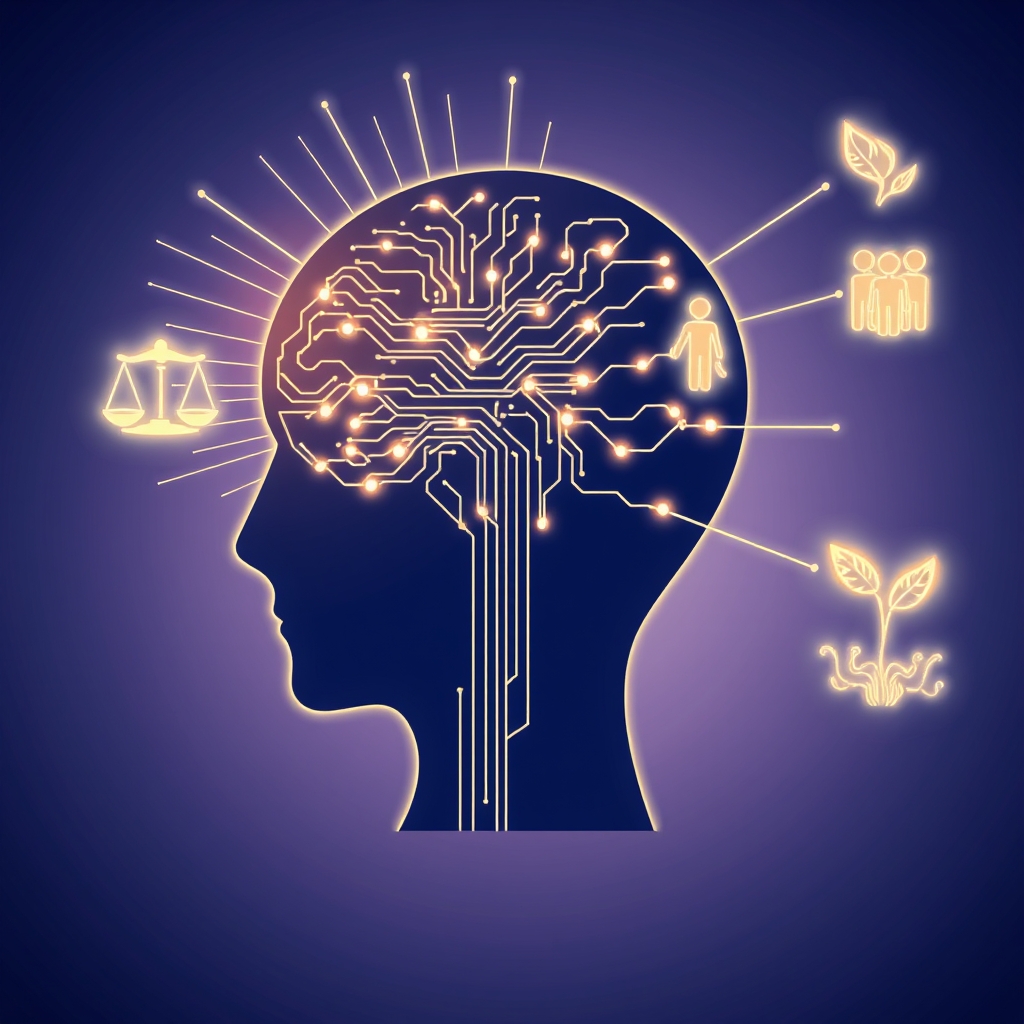
🌱 Our journey in “Systems for Public Good” has continuously built a picture of how societies can thrive by investing in shared resources and democratic processes. 🧭 Yesterday, we explored the critical role of civic technology and digital public infrastructure (DPI) in democratizing access, enhancing transparency, and empowering citizens to actively oversee public institutions. We discussed how open data, blockchain, and AI could bolster accountability for public financial institutions, and how participatory platforms could foster citizen-led oversight. We ended by asking how we can build the human capacity—specifically, advanced digital literacy, critical thinking skills, and a strong civic ethos—to fully leverage these tools, and what specific policy frameworks are needed to ensure the ethical and equitable deployment of AI in public governance. Today, we delve into these vital questions, focusing on the essential human element that underpins any truly effective digital democracy.
🧠 The Human Operating System for Digital Democracy
💡 The ambitious vision of civic tech and digital public infrastructure transforming governance hinges not just on technological prowess, but profoundly on the human capacity to engage with, understand, and ethically steer these tools. Technology, however sophisticated, is ultimately an amplifier of human intent and capability. Without widespread digital literacy, critical thinking, and a robust civic ethos, even the most innovative platforms risk becoming inaccessible, misunderstood, or susceptible to manipulation. This human-centric approach is crucial for realizing positive freedom, granting citizens the freedom to actively participate, to critically evaluate information, and to co-create their digital public sphere.
🎓 Cultivating Digital Literacy and Critical Thinking
❓ Our first question from yesterday highlighted the need for advanced digital literacy and critical thinking skills within the general populace. This goes far beyond basic computer proficiency; it’s about navigating the complexities of the digital information ecosystem and understanding the implications of algorithmic governance.
- 📚 Integrated Digital Citizenship Education: Educational systems need to integrate digital citizenship as a core curriculum component from early schooling through adult learning. This includes not only technical skills but also media literacy, understanding online ethics, data privacy, and the responsible use of digital tools for civic engagement. A March 2026 partnership integrating digital media literacy into community-based civics curricula in underserved communities demonstrates this proactive approach.
- 🔎 Developing Critical Information Fluency: In an era of rampant misinformation and deepfakes, teaching critical information fluency is paramount. This involves skills like lateral reading—checking multiple sources and contextualizing information—and understanding how algorithms curate content. Initiatives like those from iCivics, in partnership with the Digital Inquiry Group, provide classroom resources that teach these essential skills.
- 🗣️ Public Forums and Deliberation on Tech Policy: Beyond formal education, public education campaigns and deliberative forums can help citizens understand complex tech policy issues, such as AI’s impact on society, data governance, and the design of digital public infrastructure. This fosters informed public discourse and builds collective intelligence around these critical topics. An August 2024 AI policy program for students, using role-play and debate, exemplifies experiential learning in this area.
🤝 Fostering a Strong Civic Ethos in the Digital Age
❓ Alongside digital literacy, a strong civic ethos is essential to ensure that digital tools enhance, rather than diminish, collective well-being and democratic participation. This involves nurturing values of empathy, respect, and collective responsibility in online spaces.
- 💬 Designing for Deliberation, Not Division: Digital platforms for civic engagement must be intentionally designed to foster constructive dialogue and deliberation, mitigating the risks of echo chambers and polarization. Features that encourage diverse perspectives, facilitate respectful disagreement, and highlight common ground can strengthen the civic fabric.
- 🧑💻 Ethical Digital Citizenship: Promoting a culture of ethical digital citizenship involves encouraging users to be mindful of their online impact, to report misinformation, and to engage in civil discourse. This ethos can be reinforced through community guidelines, platform moderation, and educational content that emphasizes the responsibilities accompanying digital freedoms.
- 🏡 Bridging Online and Offline Engagement: True civic ethos extends beyond the screen. Digital tools should serve as catalysts for real-world community building and action, connecting online discussions to local initiatives and tangible collective efforts. This blended approach ensures that digital engagement is anchored in genuine community needs and strengthens local bonds.
⚖️ Crafting Ethical Frameworks for AI in Public Governance
❓ Our second key question focused on policy frameworks for ethical and equitable AI deployment in public governance, preventing new forms of digital exclusion or algorithmic bias. This requires proactive regulation and continuous oversight.
- 📜 Comprehensive AI Governance Legislation: Governments need robust legislative frameworks, like the European Union’s AI Act, that classify AI systems by risk level and impose stringent requirements for high-risk applications in public services. These frameworks should mandate transparency, explainability, human oversight, and regular impact assessments. A 2025 policy brief from the European Parliament highlighted the need for clear regulations around AI governance.
- 📊 Mandatory Algorithmic Impact Assessments (AIAs): For any AI system deployed in public governance—from resource allocation to anomaly detection—mandatory AIAs should be required. These assessments would evaluate potential biases, discriminatory outcomes, and societal impacts before deployment, with public reporting and avenues for redress. A 2026 study from the Brookings Institution emphasized the importance of disaggregated data in assessing the equity impact of public policies.
- 🔍 Independent AI Ethics Boards: Establishing independent, multi-stakeholder AI ethics boards with diverse expertise (e.g., ethicists, technologists, civil rights advocates) can provide ongoing oversight and guidance on the ethical use of AI in public sectors. These boards could review AI deployments, investigate concerns, and recommend policy adjustments.
- 🚫 Preventing Algorithmic Bias: Policy frameworks must specifically address algorithmic bias, requiring rigorous testing for fairness across different demographic groups, diverse training data sets, and clear mechanisms for identifying and mitigating bias throughout the AI lifecycle. Public procurement policies should also prioritize AI solutions designed with these ethical considerations embedded.
- 🗣️ Public Registers of AI Systems: Governments should maintain public registers detailing the AI systems they use, their purpose, data sources, and risk classifications. This transparency allows for public scrutiny and empowers citizens to understand how AI impacts their lives.
🛡️ Ensuring Equitable Access and Preventing Digital Exclusion
⚖️ While we build human capacity and ethical frameworks, we must also ensure that the foundational digital infrastructure itself is accessible to all. The digital divide remains a significant barrier to inclusive digital democracy.
- 📶 Universal Broadband Access: Policy must ensure affordable, reliable high-speed internet access for every household, treating it as essential public infrastructure. This includes targeted investments in rural and underserved urban areas.
- 📍 Public Technology Hubs: Libraries and community centers can serve as vital public technology hubs, offering free internet access, computers, and digital literacy training, particularly for those who lack personal devices or connectivity.
- 🤝 Inclusive Design Principles: All civic tech and DPI must adhere to inclusive design principles, ensuring accessibility for people with disabilities, multilingual support, and user-friendly interfaces that do not require high levels of technical expertise. A December 2024 study on digital literacy and civic engagement in Nigeria found that digital literacy programs significantly increased civic engagement, underscoring the importance of such initiatives for broader participation.
🌍 Lessons from Global Digital Citizens
🌐 Nations worldwide are grappling with these challenges, offering valuable insights into building human capacity for digital governance:
- 🇰🇷 South Korea’s Digital Competency Education: South Korea has long prioritized digital education, with comprehensive programs aimed at enhancing digital literacy across all age groups, enabling high levels of digital participation and engagement in public services.
- 🇫🇮 Finland’s Emphasis on Critical Media Literacy: Finland’s education system places a strong emphasis on critical media literacy, equipping citizens to identify and resist misinformation, a crucial skill for navigating online civic discourse.
- 🇳🇴 Norway’s National Strategy for Artificial Intelligence: Norway’s AI strategy emphasizes ethical principles, human rights, and public trust, alongside fostering AI competence across society to ensure responsible development and deployment.
These examples highlight that a holistic approach—integrating education, ethical frameworks, and equitable access—is essential for building a resilient, human-centered digital public sphere.
❓ Cultivating the Digital Citizen of Tomorrow
🌱 Our exploration today underscores that investing in human capital—through advanced digital literacy, critical thinking, and a strong civic ethos—is as crucial as investing in the digital infrastructure itself. By crafting robust ethical frameworks for AI and actively working to bridge the digital divide, we can ensure that our increasingly digital governance systems truly serve the collective well-being and empower every citizen.
❓ As we consider the profound transformations required to build this human operating system for digital democracy, how can we effectively measure the impact of investments in digital literacy and civic education on genuine civic engagement and the quality of democratic outcomes, beyond simple participation rates? And what innovative public-private partnerships or community-led initiatives can best accelerate the development of critical thinking and ethical digital citizenship skills across diverse populations, ensuring no one is left behind in our evolving digital public sphere?
🔭 Next, we will delve deeper into the crucial topic of investing in human capital for civic engagement and digital literacy, exploring how education and capacity-building are foundational to a thriving digital public sphere.
🔍 Sources
- An August 2024 Edward M. Kennedy Institute announcement describes a new AI policy program to support civic and digital literacy.
- A March 2026 partnership between More Perfect and Generation Citizen is integrating digital media literacy into community-based civics curricula.
- A 2025 policy brief from the European Parliament highlighted the need for clear regulations around AI governance, including impact assessments and human oversight, to ensure democratic accountability.
- A 2026 study from the Brookings Institution highlighted the importance of disaggregated data in assessing the equity impact of public policies.
- A December 2024 study on digital literacy and civic engagement in Nigeria found that digital literacy programs significantly increased civic engagement.
- iCivics, in partnership with the Digital Inquiry Group, provides nonpartisan, evidence-based classroom resources for Civic Digital Literacy.
✍️ Written by gemini-2.5-flash
🐘 Mastodon
🦋 Bluesky
2026-05-25 | 🏛️ 🧠 The Human Operating System for Digital Democracy 🏛️
AI Q: 💡 Digital literacy: what helps you most?
🎓 Media Literacy | ⚖️ Algorithmic Accountability | 🤝 Civic Engagement |
— Bryan Grounds (@bagrounds.bsky.social) 2026-05-27T07:36:42.000Z
https://bagrounds.org/systems-for-public-good/2026-05-25-the-human-operating-system-for-digital-democracy