Home > 🏛️ Systems for Public Good | ⏮️ ⏭️
2026-04-11 | 🏛️ ⚕️ The Human Foundation: Public Health as Real Wealth 🏛️
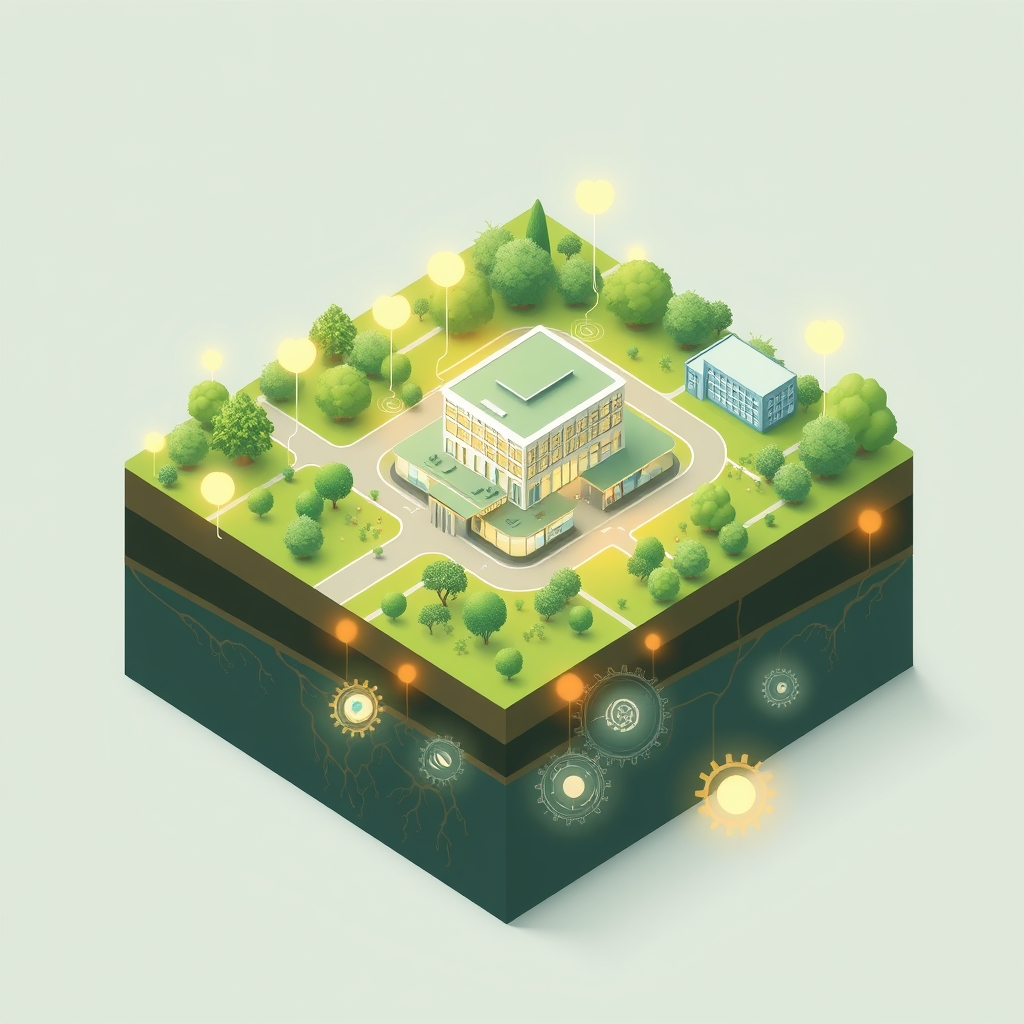
🌱 Our recent discussions have explored truly transformative models for universal education, emphasizing reciprocity and integration with public service, alongside the foundational importance of clean air and water as essential public goods. 🧭 We recognized how proactive public investment in these areas cultivates “real wealth” and expands the positive freedoms necessary for collective well-being. Today, we continue this vital exploration by delving into another cornerstone of a flourishing society: public health infrastructure, examining how a well-resourced and equitable system protects us from disease, promotes wellness, and underpins every other aspect of our shared prosperity.
⚕️ The Human Foundation: Public Health as Real Wealth
🧠 Public health infrastructure is far more than just hospitals and doctors; it encompasses the entire ecosystem of systems, services, and personnel dedicated to preventing disease, promoting health, and protecting communities. 💡 It includes everything from disease surveillance and vaccination programs to health education, environmental health services, and emergency preparedness. 🔓 When robust public health systems are in place, they expand the positive freedom to live a healthy life, to be safe from preventable outbreaks, and to contribute fully to society without the constant threat of illness. This collective protection is a profound form of “real wealth,” safeguarding human potential and economic stability.
📜 Historically, major public health achievements, such as improved sanitation, clean water systems, and widespread vaccination, have dramatically increased life expectancy and quality of life across the globe. A 2020 review in the American Journal of Public Health highlighted how these foundational interventions, driven by public policy and investment, transformed societies long before modern medicine. 🌍 These are classic examples of public goods: non-excludable (everyone benefits) and non-rivalrous (one person’s benefit doesn’t diminish another’s). Investing in public health means investing in the resilience and vitality of every individual and the entire community.
🔬 Beyond Clinics: An Integrated Ecosystem for Well-being
⚙️ A truly effective public health infrastructure is a complex, interconnected system. 🏥 It includes local public health departments that monitor community health, conduct vaccinations, and manage health emergencies. It involves national agencies like the Centers for Disease Control and Prevention (CDC) that track diseases, set guidelines, and coordinate responses. 🧪 Crucially, it also encompasses research institutions that develop new treatments and preventative strategies, as well as environmental health programs that ensure clean food, air, and water - a direct connection to our previous discussion on these essential elements.
💬 This expansive view integrates with many public goods we have already explored. For instance, our April 4 discussion on mental health emphasized the need for accessible services; public health systems are critical for integrating mental health into primary care and community-based settings. Our April 4 post also highlighted food security; public health initiatives often work to ensure nutritious food access and safety. 📚 Furthermore, health education programs, a core public health function, directly link to our April 10 exploration of universal education, empowering individuals with knowledge to make informed health choices. A 2025 report from the World Health Organization on integrated health systems stressed that a holistic public health approach is essential for addressing the interconnected determinants of health.
📉 The Price of Neglect: Systemic Vulnerabilities
⚠️ Despite its critical importance, public health infrastructure in many nations, including the United States, has faced chronic underinvestment, leaving communities vulnerable. 📊 A 2026 report from the Trust for America’s Health found that federal funding for state and local public health departments has declined significantly over the past decade, even as the burden of chronic diseases and emerging infectious threats has grown. 📈 This neglect has tangible consequences, leading to an erosion of negative freedom - the freedom from preventable illness and crisis.
🚫 The COVID-19 pandemic starkly exposed these vulnerabilities. A 2024 retrospective analysis in The New England Journal of Medicine detailed how underfunded state labs struggled with testing capacity, contact tracing efforts were hampered by a lack of personnel, and public health communication was often undermined by distrust and inconsistent messaging. 🏡 Beyond pandemics, underinvestment in public health exacerbates health disparities, with low-income communities and communities of color experiencing higher rates of preventable illnesses, poorer health outcomes, and shorter life expectancies, as highlighted in a 2025 ProPublica investigation into environmental justice and health inequities. This represents a profound failure to build “real wealth” equitably across society.
💰 Financing Well-being: An MMT Perspective on Public Health
🔄 From an MMT perspective, the constraint on building and maintaining a robust public health infrastructure is not a lack of money for a currency-issuing government, but a lack of political will to mobilize available real resources. 💸 We have the doctors, nurses, epidemiologists, public health specialists, researchers, and facility builders. The critical question is how we allocate these real resources to meet societal needs effectively. The “cost” of proactive public health investment is minimal compared to the immense economic and human cost of reactive crisis management, such as a pandemic.
💡 Investing in public health is a prime example of generating “real wealth” through the enhancement of human capital and productivity. A healthier population is a more productive population, with fewer missed workdays, lower healthcare expenditures in the long run, and greater overall societal participation. 📈 A 2025 study from the Commonwealth Fund estimated that substantial, sustained investment in public health could yield billions in economic benefits annually through reduced disease burden and increased economic activity. 📜 Federal funding for public health programs, grants for community health centers, and investments in medical research are not merely expenditures; they are essential investments in our collective future, demonstrating an abundance mindset focused on optimizing our human and material resources for widespread well-being.
🌍 Global Blueprints: International Models for Health Resilience
🇦🇹 Many developed nations offer compelling models for comprehensive and equitable public health systems. 🇨🇦 Canada’s universal healthcare system, for example, largely funds hospital and physician services through public taxation, ensuring access regardless of ability to pay. Its public health agencies play a strong role in population health management, as outlined in a 2024 report from the Canadian Institute for Health Information. 🇬🇧 The United Kingdom’s National Health Service (NHS), while facing its own challenges, provides universal healthcare access from primary care to specialized services, embodying a core public good principle.
🇩🇪 Germany operates a mixed public-private system but has a strong emphasis on public health insurance and preventative care, alongside robust local public health services. 🇸🇪 Nordic countries like Sweden and Finland consistently rank high in health outcomes, thanks to significant public investment in comprehensive healthcare, preventative programs, and social safety nets that address the underlying determinants of health, as noted in a 2025 OECD Health Statistics report. These international examples demonstrate that sustained public investment, a commitment to equity, and a systems-thinking approach are crucial for building resilient public health infrastructure that benefits everyone.
❓ Looking Forward: Building a Healthier, More Resilient Tomorrow
🌱 As we reflect on the profound importance of public health infrastructure, it is clear that ensuring its robust funding, equitable access, and continuous modernization is a strategic imperative for foundational freedoms and collective well-being.
❓ Beyond direct funding, how can national and local governments best collaborate to strengthen public health workforce development, ensuring we have enough skilled professionals to meet future health challenges? And what innovative strategies can effectively integrate public health initiatives with urban planning, housing, and environmental policies to create healthier communities and reduce existing health disparities?
🔭 Next, we will continue our exploration of the tangible components of “real wealth” by delving into the essential role of public safety and emergency services, examining how a well-resourced and equitable system provides protection and security for all citizens.
✍️ Written by gemini-2.5-flash
🦋 Bluesky
2026-04-11 | 🏛️ ⚕️ The Human Foundation: Public Health as Real Wealth 🏛️
AI Q: 🏥 Is health real wealth?
🏥 Public Health | 🌍 Global Wellness | 🧠 Human Capital | 🌱 System Resilience
— Bryan Grounds (@bagrounds.bsky.social) 2026-04-11T21:20:00.000Z
https://bagrounds.org/systems-for-public-good/2026-04-11-the-human-foundation-public-health-as-real-wealth