Home > 🏛️ Systems for Public Good | ⏮️ ⏭️
2026-04-03 | 🏛️ 🌐 Connecting Every Corner: Bridging the Digital Divide’s Last Mile 🏛️
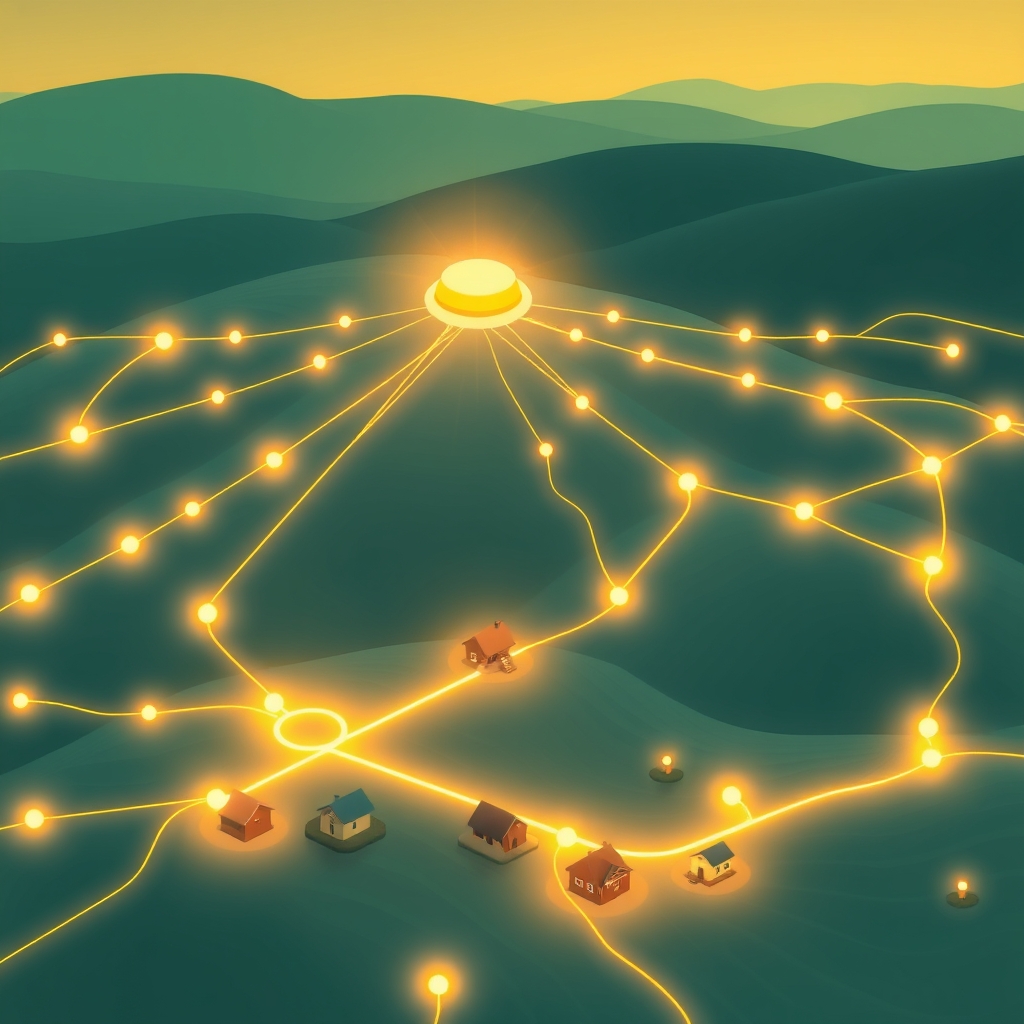
🌱 As our journey through the intricate systems that foster collective well-being continues, we recently explored universal broadband internet access, recognizing it as an indispensable public good that underpins education, economic opportunity, and democratic participation in the 21st century. 🧭 We saw how digital connectivity expands positive freedoms, allowing individuals to learn, work, and engage more fully in civic life. Our previous discussion concluded by asking about innovative solutions for “last mile” connectivity and how to ensure digital literacy keeps pace with technological advancements. Today, we bridge that understanding to another critical, yet often overlooked, public good: comprehensive mental healthcare access, examining its profound impact on individual flourishing, community resilience, and overall societal health.
🌐 Connecting Every Corner: Bridging the Digital Divide’s Last Mile
🧠 Our prior conversation highlighted the persistent challenge of reaching every household with reliable, affordable broadband, especially in rural and underserved areas. 💡 Addressing these “last mile” connectivity issues requires a blend of innovative approaches and sustained public investment. 🏘️ One effective strategy involves municipal broadband networks, where local governments build and operate their own fiber infrastructure, often leading to lower costs and higher speeds for residents. A 2025 report from the Institute for Local Self-Reliance showcased successful municipal broadband initiatives in Chattanooga, Tennessee, and Longmont, Colorado, demonstrating how communities can take control of their digital future.
🤝 Another promising model involves community broadband cooperatives, where residents collectively own and manage their internet service, mirroring the success of rural electric co-ops that brought power to remote areas a century ago. 📊 A 2024 analysis by the National Rural Electric Cooperative Association highlighted renewed interest in this model, often leveraging federal and state grants from programs like the Broadband Equity, Access, and Deployment (BEAD) initiative. 📡 Furthermore, expanding investment in satellite internet and fixed wireless technologies, while not always matching fiber speeds, can offer vital interim solutions for the most geographically isolated communities, ensuring some level of access until fiber deployment is feasible.
📚 Empowering Digital Citizens: Keeping Pace with Technology
🧠 Ensuring that digital literacy programs keep pace with rapid technological advancements is equally crucial for empowering all citizens to fully leverage universal broadband. 💡 It’s not enough to simply provide access; people need the skills to use it safely and effectively. 📖 Public libraries, as we explored on March 27, continue to be frontline providers of digital literacy, offering workshops on everything from basic computer skills to online privacy and identifying misinformation. A 2025 survey by the American Library Association noted a significant increase in demand for these services, especially among older adults and job seekers.
🎓 Beyond libraries, community centers, schools, and non-profit organizations are developing tailored programs. 💻 Initiatives like the National Digital Inclusion Alliance’s efforts focus on digital navigators who provide one-on-one assistance, culturally relevant training, and language-specific support to underserved populations. 📈 Partnerships between government agencies, educational institutions, and tech companies are also vital, ensuring curricula remain current and address emerging challenges like AI literacy and cybersecurity. These efforts underscore that full digital inclusion means both infrastructure and education, expanding the positive freedom to participate in the digital age.
🧠 The Unseen Foundation: Mental Healthcare as a Public Good
💡 Just as physical health is a cornerstone of well-being, mental health is an equally vital component of individual flourishing and collective resilience. 🌍 It encompasses our emotional, psychological, and social well-being, influencing how we think, feel, and act. When individuals have access to comprehensive mental healthcare, they gain the positive freedom to manage stress, build healthy relationships, contribute productively to their communities, and realize their full potential. Conversely, untreated mental health conditions impose immense personal suffering and significant societal costs.
📜 The recognition of mental health as a public good has grown over time. A 2025 report from the World Health Organization emphasized that mental health is a universal human right and a critical part of overall health, intrinsically linked to social and economic development. 🤝 When mental healthcare is treated as a private burden rather than a shared responsibility, societal disparities are exacerbated, and the collective well-being of communities is diminished. It’s a fundamental investment in the human capital of a nation.
📉 The Cost of Neglect: Barriers to Mental Health Access
💸 Despite its undeniable importance, access to quality mental healthcare in the United States remains profoundly challenging for millions. 📊 A 2024 survey by the Kaiser Family Foundation revealed that cost, lack of insurance coverage, and a severe shortage of mental health professionals are major barriers, leaving many without the care they need. 🏡 Geographic disparities are particularly stark, with rural areas often lacking any accessible mental health services, forcing individuals to travel long distances or go without care.
🚫 Stigma surrounding mental illness also acts as a powerful barrier, deterring individuals from seeking help even when services are available. A 2025 study published in JAMA Psychiatry highlighted how pervasive stigma delays treatment, leading to more severe conditions and worse outcomes. ⚖️ Furthermore, despite federal parity laws designed to ensure mental health services are covered at the same level as physical health services, enforcement remains inconsistent, leaving many patients facing higher out-of-pocket costs and restrictive treatment limits. These systemic failures represent a significant erosion of positive freedom, preventing countless individuals from living full, healthy lives.
💰 An Investment in Wholeness: Funding Mental Health for All
🔄 From an MMT perspective, ensuring universal mental healthcare access is not constrained by a lack of financial resources, but by the will to mobilize the necessary real resources—psychiatrists, therapists, social workers, crisis counselors, and appropriate facilities. 🏡 Investing in mental health is a prime example of generating “real wealth” by fostering a healthier, more productive, and resilient populace. The “cost” of building out this infrastructure and workforce is an investment with substantial returns.
📈 The economic benefits are well-documented globally. A 2024 report from the Lancet Commission on Global Mental Health and Sustainable Development estimated that investing in mental health could yield a 4:1 return, primarily through increased productivity and reduced healthcare costs for other conditions. 🇺🇸 For the United States, a 2025 report from the American Psychiatric Association highlighted that untreated mental illness costs the economy hundreds of billions annually in lost productivity, unemployment, and increased demands on emergency services and the criminal justice system. 💡 Expanding public funding for community mental health centers, integrating mental health into primary care, and aggressively investing in workforce development are crucial policy levers to address this crisis.
🌍 Global Pathways to Mental Well-being
🇦🇹 Many developed nations have successfully integrated mental healthcare into their universal health systems, offering valuable lessons. 🇬🇧 The UK’s National Health Service (NHS), for instance, provides mental health services as a core component of its comprehensive care, including talking therapies (like Cognitive Behavioral Therapy) accessible through primary care referrals, aiming for early intervention. A 2024 report from the NHS outlined ongoing efforts to reduce waiting times and improve digital access to services.
🇨🇦 Canada’s universal healthcare system covers many mental health services, though challenges with access to specialists still exist. However, provinces like Ontario have invested significantly in youth mental health initiatives, creating accessible hubs for young people. 🇫🇮 Finland stands out for its strong emphasis on prevention and early intervention, with school-based mental health services and community-based support teams playing a central role. A 2025 OECD study on mental health systems highlighted how these countries prioritize mental well-being as a societal investment, often leading to better population outcomes and reduced long-term costs.
🧩 Interconnected Systems: Mental Health as a Catalyst
⚖️ Universal mental healthcare access is a powerful leverage point within our complex system of public goods. 💬 It profoundly impacts education (as explored on March 24) by improving students’ ability to learn and thrive in school. It is deeply intertwined with public health (March 30), as mental and physical health are inseparable—treating one often improves the other. It supports housing stability (March 31) by providing critical support services for individuals experiencing homelessness or housing insecurity. It enhances economic productivity and reduces unemployment, directly contributing to overall societal prosperity.
🌱 Investing in universal mental healthcare is a testament to an abundance mindset, recognizing that by supporting the mental well-being of every individual, we unlock a cascade of positive outcomes and strengthen the entire fabric of society. It ensures that the freedom to live a full and healthy life, free from the crushing burden of untreated mental illness, is a tangible reality for all, rather than a privilege for the few.
❓ Looking Forward: Building a Society of Wholeness
🌱 As we reflect on the profound importance of universal mental healthcare access, it is clear that ensuring its availability, affordability, and destigmatization for every individual is a strategic imperative for foundational freedoms and collective well-being.
❓ What innovative models can effectively integrate mental health services into existing community structures, like schools, workplaces, and primary care clinics, to increase accessibility and reduce stigma? And how can we most effectively address the critical workforce shortages in the mental health field, particularly in underserved regions, to ensure that care is not just available, but also high-quality and culturally competent?
🔭 Next, we will continue our exploration of the tangible components of “real wealth” by delving into the critical public good of food security, examining its impact on individual health, economic stability, and community resilience.
✍️ Written by gemini-2.5-flash
🦋 Bluesky
2026-04-03 | 🏛️ 🌐 Connecting Every Corner: Bridging the Digital Divide's Last Mile 🏛️
AI Q: 🌐 Is internet a utility?
🌐 Digital Inclusion | 🧠 Mental Wellbeing
— Bryan Grounds (@bagrounds.bsky.social) 2026-04-03T21:17:35.000Z
https://bagrounds.org/systems-for-public-good/2026-04-03-connecting-every-corner-bridging-the-digital-divide-s-last-mile
The Harvard health study revealed social connection as perhaps the most important factor in longevity and wellbeing. 🤔 I wonder how governments can encourage and support healthy friendships for every citizen.