🔬🥱 The Scientific Basis of Fatigue
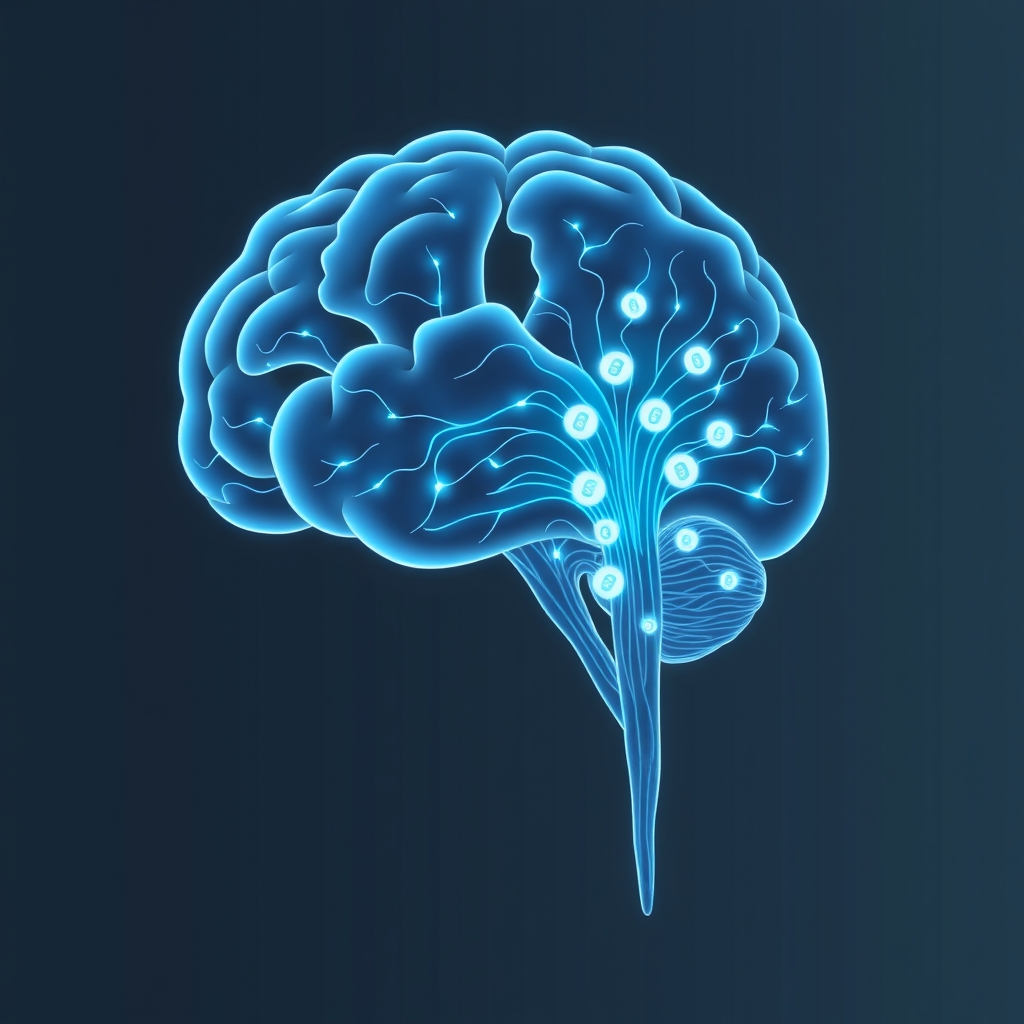
🛒 The Scientific Basis of Fatigue. As an Amazon Associate I earn from qualifying purchases.
🧠🔬💡 Fatigue’s physiological and neurological origins, from cellular energy deficits to central nervous system regulation and various disease states. An evidence-based framework for understanding and treating Fatigue.
🤖 AI Summary
Core Philosophy
- 📉 Fatigue: Multifactorial phenomenon, not merely tiredness. Encompasses physical, mental, chronic forms.
- ⚖️ Distinction: Physical vs. Mental fatigue. Acute vs. Chronic fatigue. Sleepiness distinct from fatigue.
- 🧬 Underlying Mechanisms: Cellular, molecular, neurological, metabolic, immunological.
Actionable Insights
- 🤸 Physical Fatigue:
- 🦵 Peripheral mechanisms: Motor neuron, neuromuscular junction, sarcolemmal membrane, excitation-contraction coupling, metabolite accumulation (e.g., lactic acid, inorganic phosphate), fuel depletion (e.g., glycogen, ATP), altered cross-bridge cycling.
- 🧠 Central mechanisms: Reduced voluntary neural drive, altered sensory input to CNS, changes in motor cortical circuits, neurotransmitter imbalances (serotonin, dopamine, noradrenaline), depressed motoneuronal responses to excitatory inputs.
- 🏋️ Management: Targeted physical training delays onset. Adequate fuel (glycogen) is critical.
- 🤯 Mental Fatigue:
- 🔬 Mechanisms: Neurotransmitter alterations (serotonin, dopamine), prefrontal cortex vulnerability, sleep deprivation impact on cognitive function.
- 😴 Management: Optimize sleep. Address underlying neurochemical imbalances.
- 🤕 Chronic Fatigue (e.g., ME/CFS):
- 🧩 Multifactorial: Immune dysfunction, inflammation, mitochondrial dysfunction, neurotransmitter imbalances, autonomic nervous system abnormalities, post-viral triggers.
- ⚡ Mitochondrial role: Central to energy production (ATP), dysfunction strongly linked to chronic fatigue symptoms. Coenzyme Q10, L-Carnitine deficiencies associated.
- 🔥 Inflammation: Elevated pro-inflammatory cytokines correlate with symptom severity.
- 📝 Diagnosis: Complex, often relies on symptom questionnaires due to lack of specific biomarkers.
- 💊 Treatment: Often focuses on managing symptoms, addressing underlying dysfunctions like mitochondrial health and inflammation, and lifestyle modifications.
⚖️ Evaluation
- 📚 Comprehensiveness: The Scientific Basis of Fatigue appears to offer a broad, evidence-based review covering physical, mental, and chronic fatigue, including molecular, cellular, and clinical aspects, as well as diagnosis and treatment. This aligns well with the multifaceted understanding of fatigue in current scientific literature.
- ↔️ Central vs. Peripheral Fatigue: The book’s distinction and detailed exploration of both central and peripheral fatigue mechanisms are consistent with modern exercise physiology and neuroscience. Research continuously highlights the interplay and distinct contributions of both the central nervous system (e.g., neurotransmitter activity, neural drive) and peripheral factors (e.g., muscle metabolic changes, ion imbalances) to overall fatigue.
- 🔋 Mitochondrial Dysfunction: The emphasis on mitochondrial dysfunction as a key biological mechanism for fatigue, particularly in chronic conditions like ME/CFS, is strongly supported by a growing body of literature. Studies consistently associate markers of mitochondrial dysfunction with fatigue and propose it as a putative biological mechanism.
- 🌡️ Inflammation in Chronic Fatigue: The book’s discussion of inflammation, especially in relation to Chronic Fatigue Syndrome (CFS) or Myalgic Encephalomyelitis (ME/CFS), resonates with current research indicating abnormal cytokine levels and neuroinflammation as contributors to symptom severity. While not universally considered an autoimmune disease, inflammation is a significant shared component.
- 🛌 Sleep Deprivation: The integration of sleep deprivation as a cause of fatigue is critical and accurately reflects its well-established impact on cognitive functions, mood, and physiological processes. The distinction between subjective sleepiness and objective performance decline due to chronic sleep restriction is an important nuance supported by research.
- 🚧 Limitations & Evolving Research: While comprehensive, the rapidly evolving nature of fatigue research means some areas, particularly concerning the exact neurobiological underpinnings of mental fatigue and definitive treatments for ME/CFS, remain areas of active investigation and challenge. The book’s publication date (September 2025) suggests it incorporates very recent findings, which is crucial for such a dynamic field.
🔍 Topics for Further Understanding
- 🦠 Impact of Gut Microbiome on Central Fatigue and Neuroinflammation.
- 🧠 Advanced Neuroimaging Techniques for Mapping Fatigue Pathways in the Brain.
- 🎯 Personalized Medicine Approaches to Fatigue Management Based on Omics Data.
- 🧬 Role of Genetic Predisposition and Epigenetics in Chronic Fatigue Syndromes.
- 💊 Novel Therapeutic Targets for Mitochondrial Biogenesis and Function in Fatigue.
- ⏰ The Interplay Between Circadian Rhythms, Sleep Architecture, and Fatigue Severity.
- 🤖 Artificial Intelligence and Machine Learning for Predicting and Diagnosing Fatigue Subtypes.
❓ Frequently Asked Questions (FAQ)
💡 Q: What distinguishes physical fatigue from mental fatigue?
✅ A: The Scientific Basis of Fatigue defines physical fatigue as the transient inability of muscles to maintain optimal performance, often due to peripheral factors in the muscle and central nervous system drive. Mental fatigue, conversely, is described as a transient decrease in maximal cognitive performance resulting from prolonged cognitive activity, often linked to central nervous system neurochemistry and cognitive load.
💡 Q: How does The Scientific Basis of Fatigue address Chronic Fatigue Syndrome (CFS) or Myalgic Encephalomyelitis (ME)?
✅ A: The Scientific Basis of Fatigue details CFS/ME as a complex condition involving multiple dysfunctions, including immune abnormalities, inflammation, and particularly highlights mitochondrial dysfunction as a significant biological mechanism contributing to the persistent, severe fatigue. It reviews current research and clinical protocols related to these conditions.
💡 Q: Does The Scientific Basis of Fatigue discuss the role of sleep in fatigue?
✅ A: Yes, The Scientific Basis of Fatigue acknowledges sleep deprivation and disruption as a significant contributor to fatigue. It explains how insufficient sleep impacts cognitive function, mood, and can lead to adverse health outcomes, emphasizing that sleepiness often coexists with, but is distinct from, fatigue.
💡 Q: What are the primary mechanisms of fatigue covered in The Scientific Basis of Fatigue?
✅ A: The Scientific Basis of Fatigue covers mechanisms across multiple levels, including peripheral (e.g., muscle metabolite accumulation, ion imbalances, altered excitation-contraction coupling), central (e.g., neurotransmitter depletion/imbalance, reduced motor drive), cellular (e.g., mitochondrial dysfunction, ATP depletion), and immunological (e.g., inflammation, cytokine activity).
📚 Book Recommendations
Similar Books
- 🏃 Fatigue in Sport and Exercise by Shaun Phillips. (Covers physiological aspects of energy depletion, metabolic acidosis, central and mental fatigue in sports context).
- 💪 Exercise Physiology: for Health and Sports Performance by Craig A. Williams and Helen Marshall. (Comprehensive text on human anatomy and applied physiology, including responses to high-intensity exercise and fatigue).
- 🤒 The Clinical and Scientific Basis of Myalgic Encephalomyelitis—Chronic Fatigue Syndrome by Byron Hyde. (Deep dive into ME/CFS pathophysiology).
Contrasting Books
- 🤯 The Psychology of Fatigue: Work, Effort and Control by Robert Hockey. (Focuses on fatigue as an emotion and adaptive role in goal management, from a motivational control theory perspective).
- 🌀⬆️🧠 The Upward Spiral: Using Neuroscience to Reverse the Course of Depression, One Small Change at a Time by Alex Korb. (Uses neuroscience to explain how the brain gets stuck in negative loops of anxiety and fatigue, emphasizing small neurochemical changes).
Related Books
- 🔋⚕️⏳ Mitochondria and the Future of Medicine: The Key to Understanding Disease, Chronic Illness, Aging, and Life Itself by Lee Know. (Explores the foundational role of mitochondria in health and disease).
- 😩 Stress: Psychopathology and Psychiatry by George Fink. (Explores the complex relationship between stress, psychopathology, and physiological responses, often intertwined with fatigue).
🫵 What Do You Think?
💬 Which scientific basis of fatigue (e.g., mitochondrial, central nervous system, inflammatory) do you find most compelling, and what personal strategies have you found most effective in combating fatigue?