⛈️🏛️ Storm at the Capitol: An Oral History of January 6th
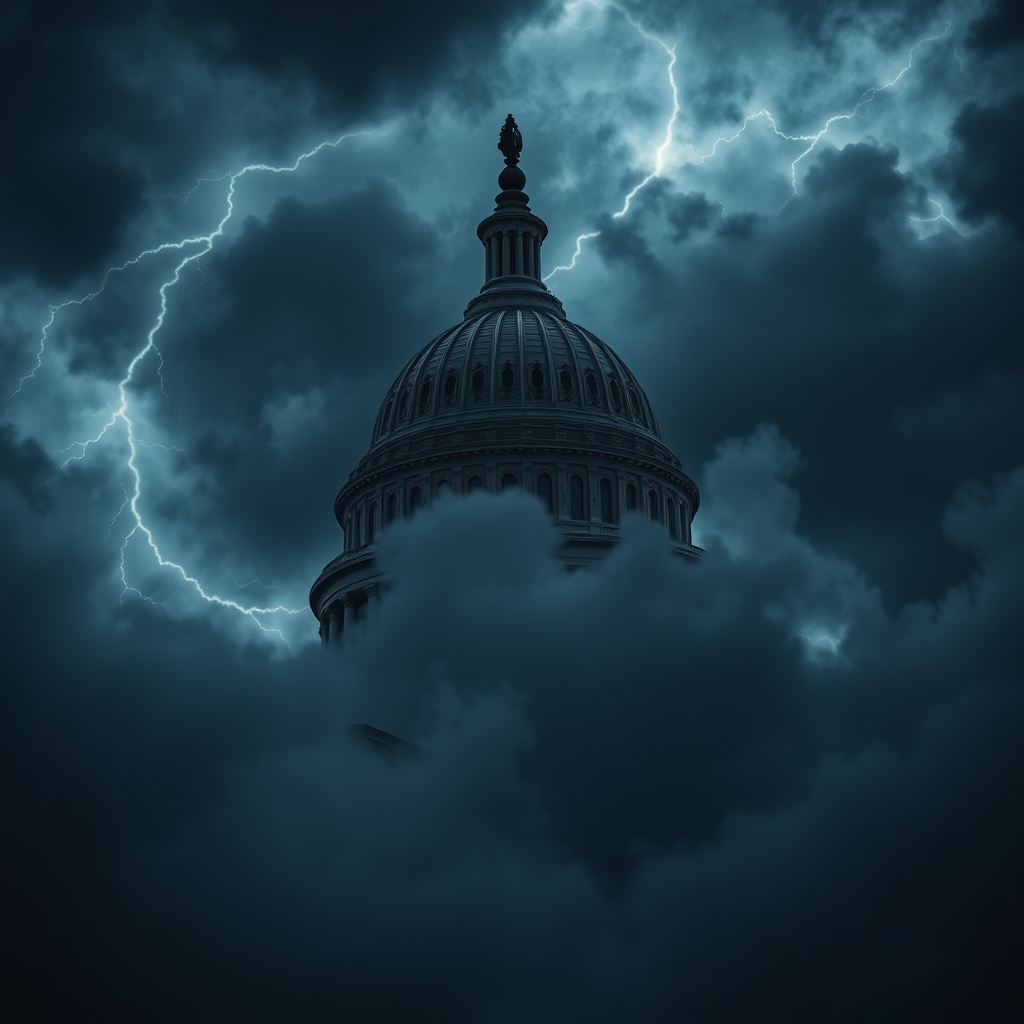
🚨🇺🇸 A comprehensive, hour-by-hour account of the Capitol attack through over 200 firsthand narratives, intertwining experiences of rioters, police, lawmakers, and journalists to highlight the day’s visceral reality and its impact on American democracy.
🤖 AI Summary
📚 Book Essentials
- 📖 Title: Storm at the Capitol: An Oral History of January 6th
- ✍️ Author: Mary Clare Jalonick (Associated Press reporter)
- 📚 Format: Oral history, compiled from interviews, testimony, court documents
- 🎯 Focus: Hour-by-hour recounting of January 6th, 2021, from predawn to early next morning
🧠 Core Themes
- 🗣️ Multifaceted Perspectives: Narratives from rioters, law enforcement, lawmakers, congressional staff, and journalists
- 🏛️ Disruption of Democracy: Attack on the peaceful transfer of power
- 📉 Impact of Disinformation: Echoes of false election fraud claims driving participants
- ❤️ Human Element: Captures fear, confusion, and bravery of individuals present
- 🚧 Divisive Aftermath: Highlights ongoing disputes and downplaying of events
📝 Narrative Structure
- ⏳ Chronological: Begins with travel to D.C. and ends with certification of election results
- 👁️🗨️ Immersive: Aims for a vivid, terrifying, and human portrait of the day
⚖️ Evaluation
- 🗣️ Breadth of Perspectives: The book’s strength lies in its diverse firsthand accounts, including rioters, police, and lawmakers, providing a comprehensive human dimension to the event. This approach offers a granular view of the chaos and individual experiences.
- ✅ Alignment with Official Reports: The book’s narrative of events, including the storming of the Capitol and disruption of election certification, aligns with the findings of the House January 6th Committee and other official investigations. These reports similarly detail the violence, the intent to overturn election results, and the overwhelming of law enforcement.
- ✍️ Authoritative Source: Written by an Associated Press reporter who was present at the Capitol on January 6th, the book benefits from deeply reported and definitive accounts. This firsthand experience and journalistic rigor contribute to its objective tone.
- 📉 Context of Disinformation: The book implicitly supports the understanding that false claims of a stolen election fueled the rioters, a point corroborated by the January 6th Committee and academic analyses, which highlight the role of mainstreaming extreme and conspiratorial beliefs.
- ⚖️ Focus on Individual Experience vs. Systemic Failures: While powerful in its oral history format, the book’s emphasis on individual narratives might offer less explicit detail on systemic intelligence and security failures compared to official government reports, such as those from the January 6th Committee or the Senate Committee on Homeland Security and Governmental Affairs. These reports delve into broader issues like communication breakdowns and delays in National Guard deployment.
🔍 Topics for Further Understanding
- 🧠 The long-term psychological impact on first responders and participants.
- 🌐 The evolution of online radicalization and its role in political violence post-January 6th.
- 📜 Legislative and policy changes enacted or proposed to prevent future attacks on democratic institutions.
- 🌍 The global perception and diplomatic fallout of the January 6th attack.
- 💰 Detailed financial and organizational networks behind the Stop the Steal movement.
- 📊 Comparative analysis of this event with historical instances of civil unrest or attempted coups globally.
- 📱 The role of social media platforms in both enabling and documenting the events of January 6th.
❓ Frequently Asked Questions (FAQ)
💡 Q: What is Storm at the Capitol: An Oral History of January 6th about?
✅ A: 📖 Storm at the Capitol: An Oral History of January 6th provides a detailed, minute-by-minute account of the January 6th, 2021, attack on the U.S. Capitol, compiled through over 200 firsthand interviews with participants, law enforcement, and eyewitnesses.
💡 Q: Who is the author of Storm at the Capitol: An Oral History of January 6th?
✅ A: ✍️ The author of Storm at the Capitol: An Oral History of January 6th is Mary Clare Jalonick, an Associated Press reporter who covers Congress and was present inside the Capitol during the events of January 6th.
💡 Q: Does Storm at the Capitol: An Oral History of January 6th offer a neutral perspective?
✅ A: ⚖️ Storm at the Capitol: An Oral History of January 6th aims to offer an unbiased account by presenting a range of firsthand narratives from various individuals involved, including rioters, police, and lawmakers, allowing readers to understand diverse experiences of the day.
💡 Q: What kind of sources does Storm at the Capitol: An Oral History of January 6th use?
✅ A: 📚 Storm at the Capitol: An Oral History of January 6th draws on personal interviews conducted by the author, alongside testimony, court documents, and other public sources to construct its narrative.
📚 Book Recommendations
📖 Similar Books
- 📜 The January 6th Report by the Select Committee to Investigate the January 6th Attack on the United States Capitol
- 💔 Unthinkable: Trauma, Truth, and the Trials of American Democracy by Jamie Raskin
- 🍊🤡🤥👹💥🏛️🇺🇸 I Alone Can Fix It: Donald J. Trump’s Catastrophic Final Year by Carol Leonnig and Philip Rucker
↔️ Contrasting Books
- ⚠️ While America Slept: How the Trump Administration Ignored, Bungled, and Dismissed the Threat of the Capitol Riot by Robert Draper
- 🏛️ The Long Alliance: The Lives of Thurgood Marshall and J. Edgar Hoover by M.A. Stroud (for a historical perspective on government power dynamics)
🔗 Related Books
- ✝️🗣️ Cultish: The Language of Fanaticism by Amanda Montell (on group dynamics and belief systems)
- 💥 The Anarchy: The East India Company, Corporate Violence, and the Pillage of an Empire by William Dalrymple (on abuse of power and systemic breakdown)
- 😇🧠 The Righteous Mind: Why Good People Are Divided by Politics and Religion by Jonathan Haidt (on moral psychology and political division)
🫵 What Do You Think?
🤔 Which narrative from January 6th offers the most profound insight into the events, and how do oral histories compare to official reports in shaping our understanding of such critical moments in history?
🐦 Tweet
⛈️🏛️ Storm at the Capitol: An Oral History of January 6th
— Bryan Grounds (@bagrounds) January 7, 2026
🗣️ Firsthand Narratives | 🏛️ Attack on Democracy | 📉 Disinformation | 🇺🇸 Transfer of Power | 📱 Social Media's Role | 💥 Political Violence | 📈 Radicalization | ⚖️ Legal Consequenceshttps://t.co/UgPjxIsRUK