🧹🌊😵💫 How to Keep House While Drowning: A Gentle Approach to Cleaning and Organizing
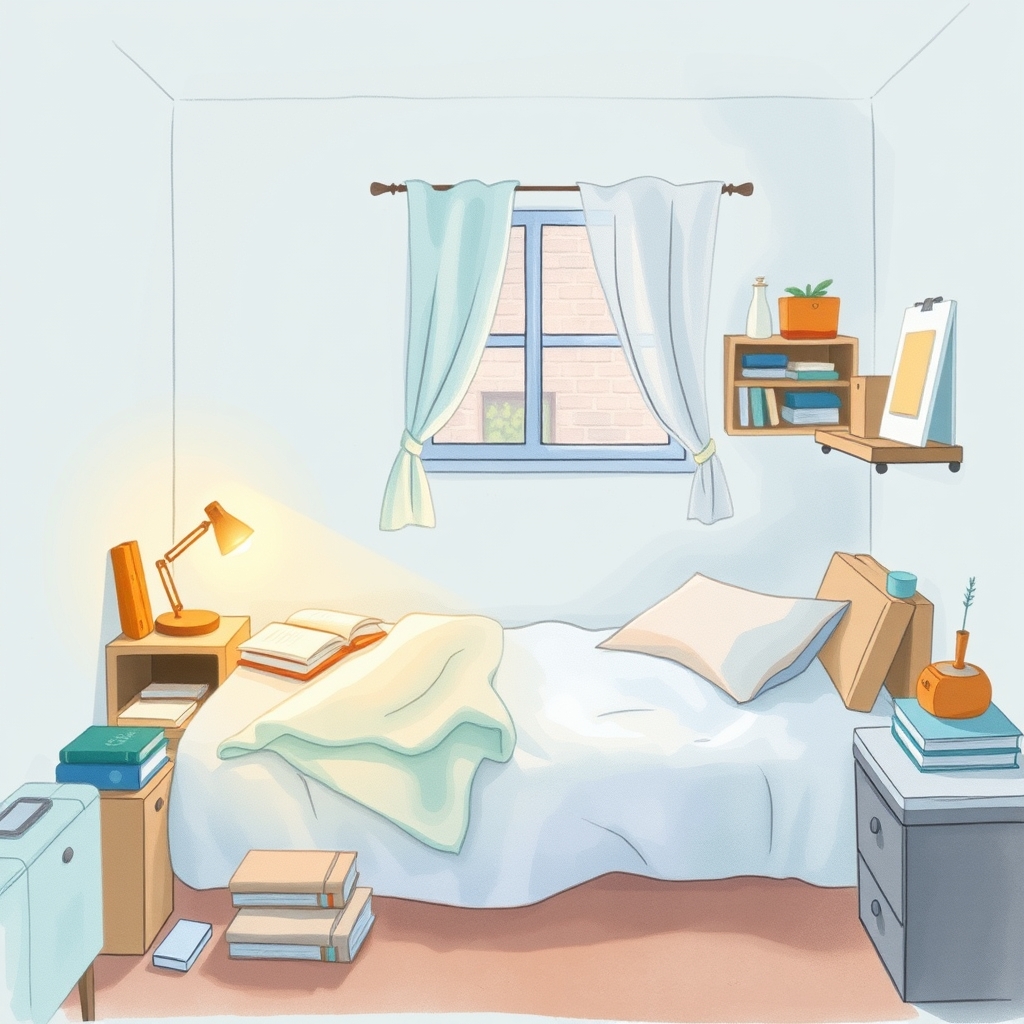
🛒 How to Keep House While Drowning. As an Amazon Associate I earn from qualifying purchases.
🏡✨ An approach to home care emphasizing self-compassion, functionality, and the moral neutrality of care tasks for those overwhelmed by life, mental health struggles, or neurodivergence.
🤖 AI Summary
🧠 Core Philosophy
- ⚖️ Care Tasks are Morally Neutral: Dishes, laundry, and personal hygiene are functional activities, not indicators of personal worth.
- 🏠 Your Home Serves You: The space should support your life, not the other way around; prioritize functionality over aesthetics.
- 👍 Good Enough is Perfect: Focus on completing tasks to a functional level rather than striving for unattainable perfection.
- 😴 Rest is a Right, Not a Reward: Permit yourself to rest without guilt, regardless of task completion.
- 🚫 Shame is a Terrible Motivator: Recognize and dismantle negative self-talk around care tasks.
🛠️ Actionable Strategies
- 🧹 Five Things Tidying Method: Tackle overwhelming messes by categorizing and addressing items in a specific order:
- 🗑️ Trash
- 🍽️ Dishes
- 🧺 Laundry
- 📦 Things with a Place
- 🤷♀️ Things Without a Place
- 🧩 Break Down Tasks: Divide large chores into smaller, manageable steps to reduce overwhelm and initiate action.
- 🏗️ Focus on Foundational Functionality: Prioritize tasks that ensure safety and health (e.g., removing trash, ensuring clean dishes for cooking).
- 🆘 Skill Deficit vs. Support Deficit: Identify if struggles stem from lacking skills or needing external help/resources, then address accordingly.
- 🧘♀️ Calming Rituals: Implement routines or practices to manage anxiety and overwhelm.
⚖️ Evaluation
- 🧠 The book’s central premise that care tasks are morally neutral aligns with self-compassion frameworks in psychology, which advocate for self-kindness and acceptance, especially during times of struggle. This perspective can reduce shame and improve motivation, particularly for individuals experiencing executive dysfunction due to ADHD, depression, or chronic illness.
- ⚙️ Emphasis on functionality over aesthetics is supported by principles of practical design, where a home’s organization should reduce mental load and stress, and adapt to individual needs and lifestyles. This contrasts with aesthetic-driven organizing methods that may be unsustainable for those with limited energy or executive function challenges.
- 💡 The strategies provided, such as breaking down tasks and using good enough principles, are recognized tactics for managing executive dysfunction, which involves difficulties with planning, prioritizing, and initiating tasks. Breaking tasks into micro-steps helps overcome the paralysis often associated with overwhelm.
- 🚧 While widely praised for its compassionate and accessible approach, some critiques suggest the book’s tone can occasionally border on dismissive, and its easy button philosophy might be overly simplistic for fostering personal accountability in all situations. Additionally, certain advice, like suggesting disposable dishes, might conflict with environmental concerns for some readers.
- 🫂 The book’s acknowledgment of its primary audience being neurodivergent readers (e.g., those with ADHD, autism, depression, anxiety) is crucial, as traditional cleaning methods often fail this group. Its accessible format, with short paragraphs and bolded main points, is designed for neurodivergent accessibility.
🔍 Topics for Further Understanding
- 🧠 The neurological underpinnings of executive dysfunction and its broader impact beyond household tasks.
- ♻️ Integrating sustainable practices into functional home management for eco-conscious individuals.
- 🤝 Strategies for fair division of labor in diverse household structures (e.g., multi-generational homes, roommates).
- 🔗 The intersection of trauma, chronic illness, and environmental care, and tailored support systems.
- 💪 Advanced techniques for habit formation and maintenance when intrinsic motivation is consistently low.
❓ Frequently Asked Questions (FAQ)
💡 Q: What is the core message of How to Keep House While Drowning?
✅ A: How to Keep House While Drowning emphasizes that care tasks are morally neutral, and your home should serve your needs, not the other way around, freeing individuals from shame and promoting functionality over perfection.
💡 Q: Who is How to Keep House While Drowning for?
✅ A: How to Keep House While Drowning is particularly aimed at individuals struggling with household management due to mental health conditions like depression or ADHD, chronic illness, trauma, or a general feeling of being overwhelmed by life.
💡 Q: Does How to Keep House While Drowning provide specific cleaning schedules or routines?
✅ A: While How to Keep House While Drowning offers practical strategies like the Five Things Tidying Method, its primary focus is on shifting mindset and developing self-compassion rather than providing rigid schedules or prescriptive routines. It promotes flexible rhythms over strict routines.
💡 Q: How does How to Keep House While Drowning address laziness?
✅ A: How to Keep House While Drowning dismantles the myth of laziness, reframing struggles with care tasks as barriers related to executive dysfunction, trauma, or lack of support, rather than a moral failing or character flaw.
💡 Q: What is the Five Things Tidying Method from How to Keep House While Drowning?
✅ A: The Five Things Tidying Method is a strategy from How to Keep House While Drowning to tackle a messy room by addressing items in a specific order: Trash, Dishes, Laundry, Things that have a place (return them), and Things that don’t have a place (find one or declutter).
📚 Book Recommendations
🤝 Similar
- 🗑️⏱️ Decluttering at the Speed of Life: Winning Your Never-Ending Battle with Stuff by Dana K. White
- 📖 The Gentle Art of Swedish Death Cleaning by Margareta Magnusson
- 📖 Laziness Does Not Exist by Devon Price
⚔️ Contrasting
- 📖 The Life-Changing Magic of Tidying Up by Marie Kondo
- 📖 Home Body by Joanna Gaines
- 🧠🗂️ The Organized Mind: Thinking Straight in the Age of Information Overload by Daniel J. Levitin
🔗 Related
- ⚛️🔄 Atomic Habits: An Easy & Proven Way to Build Good Habits & Break Bad Ones by James Clear
- 🥵🔥💨 Burnout: The Secret to Unlocking the Stress Cycle by Emily Nagoski and Amelia Nagoski
- 🤕🎼🧠 The Body Keeps the Score: Brain, Mind, and Body in the Healing of Trauma by Bessel van der Kolk
🫵 What Do You Think?
🤔 Which of the book’s principles resonated most with your personal approach to home care, and what’s one good enough solution you’ve implemented in your own life?