⚡🌍⚔️ The New Map: Energy, Climate, and the Clash of Nations
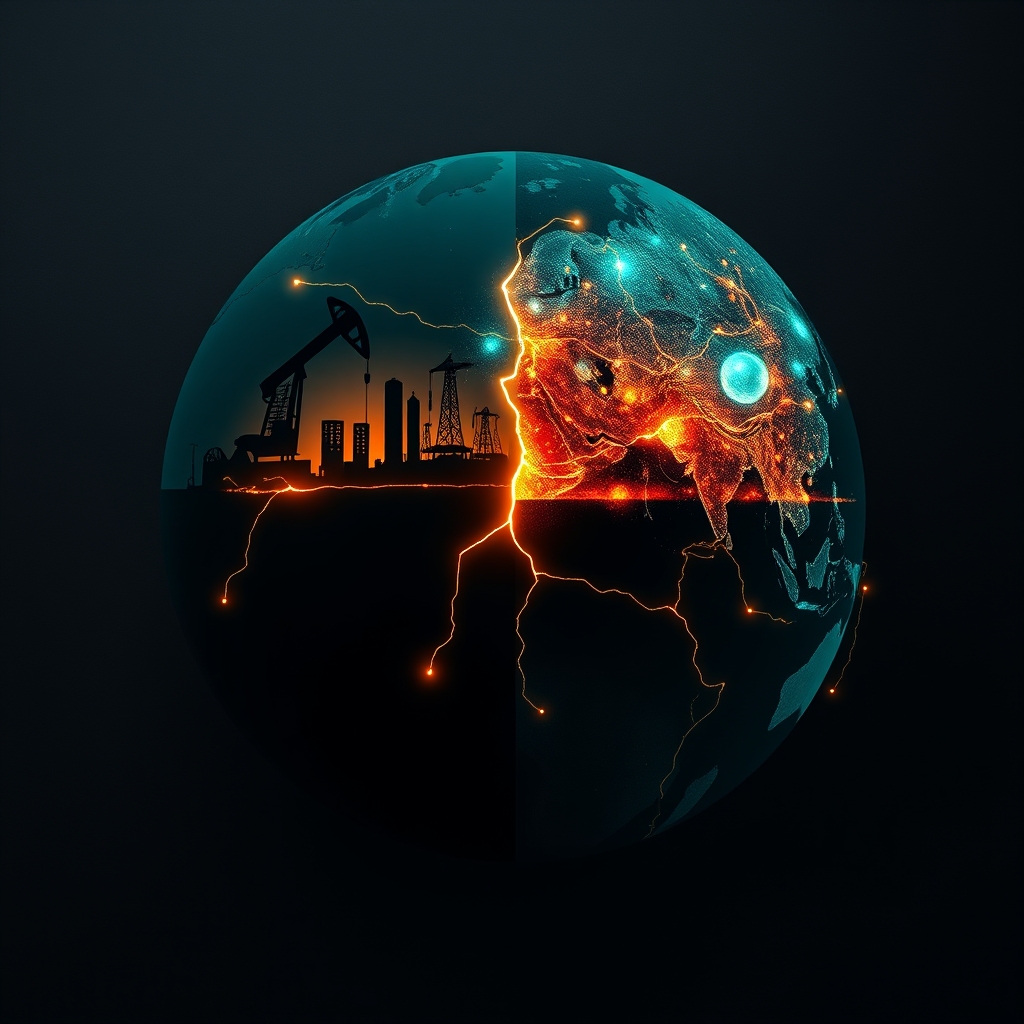
🤖 The shale revolution 🛢️, climate change goals 🌍, and intensifying geopolitical rivalries ⚔️ are fundamentally redrawing global power dynamics and energy landscapes.
🤖 AI Summary
🌍 Geopolitical Shifts
- 🇺🇸 US Shale Revolution: Transforms US from energy importer to exporter; increases global supply, altering power balance. Reduces US dependence on Middle Eastern oil, impacting strategic priorities.
- 🇷🇺 Russia’s Energy Leverage: Uses oil and gas as geopolitical tools, especially towards Europe; faces competition from US shale. Pivots towards Asia, strengthening energy ties with China.
- 🇨🇳 China’s Energy Demand: Heavy reliance on imports is a strategic vulnerability, driving South China Sea claims and Belt and Road Initiative investments. Leads in renewable energy investment and electric vehicle adoption for energy security and pollution control.
- 🕌 Middle East Reconfiguration: Adapts to shifting global demand and US energy independence; faces internal instabilities and regional rivalries.
- 🌎 Fragmenting World Order: Globalization reversing, rise of nationalism, populism, great power competition (US vs. China/Russia).
⚡ Energy Transition
- 🌡️ Climate Imperative: Growing scientific consensus and activism drive the shift to a lower-carbon world. Paris Agreement sets global goals for emissions reduction.
- 🌱 Renewables Growth: Wind and solar expanding, but face intermittency and infrastructure challenges. Transition pace and implementation vary significantly across nations, with developing countries prioritizing economic growth.
- 🛢️ Fossil Fuels Enduring Role: Despite clean energy push, oil and gas remain dominant in the global energy mix for decades due to existing infrastructure and demand. Yergin emphasizes the transition is gradual, not abrupt.
- 🚗 Mobility Evolution: Electric vehicles (EVs) and autonomous vehicles (AVs) are disrupting transportation, with China leading EV adoption. Challenges: battery costs, charging infrastructure, consumer acceptance.
⚖️ Evaluation
- 📜 Comprehensive Historical and Geopolitical Analysis: Yergin offers a broad, detailed overview of energy’s historical role in international relations, leveraging his extensive expertise. This provides a strong foundation for understanding current dynamics.
- 🛢️ Insightful on Shale Revolution: The book’s analysis of the US shale revolution’s economic and geopolitical implications is widely praised as its most persuasive part, detailing America’s shift to an energy superpower.
- ✍️ Strong Narrative Quality: Critics and readers often commend Yergin’s master story-telling and snappy prose, making complex topics accessible and engaging.
- ⚠️ Limited Urgency on Climate Change: A common criticism is the book’s minimal attention to climate change urgency and an underappreciation of its transformative power. Some argue he is so embedded in old patterns of thought that he can’t quite recognise the urgency of the climate crisis.
- 🇺🇸 US-Centric Perspective: The book has been criticized for its primary focus on oil and gas-producing countries and major powers (US, Russia, China, Middle East), with limited attention to other demand-side countries like India, Japan, or developing nations in Africa and Latin America.
- 🌱 Understated Role of Activism and Renewables’ Rapid Advancements: Yergin’s analysis is seen by some as behind the curve on the rapid development of cheap renewable power and the influence of climate activism, with arguments about power storage becoming increasingly obsolete.
🔍 Topics for Further Understanding
- ⛏️ The accelerated geopolitical impact of critical minerals (e.g., lithium, cobalt) beyond energy, for technology and defense.
- 🤝 The role of non-state actors, such as multinational corporations and environmental NGOs, in shaping energy and climate geopolitics.
- 🌍 Detailed regional analyses of energy transitions and geopolitical impacts in underrepresented areas like Sub-Saharan Africa, Latin America, and Southeast Asia.
- 📉 The specific long-term economic implications of peak oil demand on traditional fossil fuel-exporting nations and their diversification strategies.
- 🛡️ The evolving nexus of artificial intelligence, cybersecurity, and energy infrastructure security.
- 🧠 The psychological and social dimensions of energy transitions, including public acceptance, just transition mechanisms, and energy equity.
- 💧 The weaponization of water and food security as climate change exacerbates resource scarcity, leading to new forms of conflict.
❓ Frequently Asked Questions (FAQ)
💡 Q: What is The New Map: Energy, Climate, and the Clash of Nations about?
✅ A: The New Map: Energy, Climate, and the Clash of Nations by Daniel Yergin explores how the global energy landscape, driven by factors like the US shale revolution, the imperative of climate change, and intensified geopolitical rivalries among major powers (US, Russia, China), is fundamentally redrawing the world’s political and economic map.
💡 Q: How has the US shale revolution impacted global energy dynamics, according to The New Map?
✅ A: According to The New Map, the US shale revolution transformed the United States into the world’s leading oil and gas producer and a major energy exporter, reducing its dependence on foreign oil and significantly altering global energy supply and demand dynamics. This shift increased competition for traditional suppliers like Russia and the Middle East.
💡 Q: What role does climate change play in the book’s analysis of geopolitical shifts?
✅ A: In The New Map, Daniel Yergin highlights that concern about climate change is a significant driver of the energy transition towards a low-carbon future, shaping energy policies, investments in renewables, and international relations. While acknowledged, some reviews suggest the book underemphasizes the urgency and transformative speed of climate change impacts on geopolitics.
💡 Q: How does The New Map address the rivalry between the United States, China, and Russia?
✅ A: The New Map details how a new cold war is developing between the United States and China, with Russia aligning with Beijing, reflecting increased strategic competition and rivalry. These nations are vying for influence across energy and geopolitical fronts, particularly concerning energy security and resource control.
📚 Book Recommendations
🤝 Similar
- 🏆 The Prize: The Epic Quest for Oil, Money & Power by Daniel Yergin. Yergin’s Pulitzer-winning foundational work on oil history and geopolitics.
- 🌍 The Quest: Energy, Security, and the Remaking of the Modern World by Daniel Yergin. A follow-up to The Prize, extending the narrative into the 21st century’s early energy challenges.
- 🗺️ Prisoners of Geography: Ten Maps That Tell You Everything You Need to Know About Global Politics by Tim Marshall. Explores how geography shapes international relations and conflicts.
⚔️ Contrasting
- 🔥 This Changes Everything: Capitalism vs. the Climate by Naomi Klein. Argues that climate change demands a radical economic and political transformation, challenging traditional market-based solutions.
- ⚡ Volt Rush: The Winners and Losers in the Race to Go Green by Henry Sanderson. Focuses on the race for critical minerals and manufacturing in the green energy transition, with a more forward-looking perspective.
- ⚙️ How the World Really Works: How Science Can Set Us Straight on Our Past, Present, and Future by Vaclav Smil. Provides a data-driven perspective on fundamental systems shaping civilization, including energy, often with a more grounded view on energy transitions than optimistic narratives.
🔗 Related
- 🌎👎👑💰🏚️ Why Nations Fail: The Origins of Power, Prosperity, and Poverty by Daron Acemoglu and James A. Robinson. Explores how political and economic institutions drive national success or failure, relevant to the clash of nations theme.
- 💡 The Grid: Electrical Infrastructure for a New Era by Gretchen Bakke. Examines the history, challenges, and future of the electrical grid, a critical component of the energy transition.
- 🕰️ Energy and Civilization: A History by Vaclav Smil. A comprehensive historical overview of energy’s role in human development, offering a broad context for Yergin’s more contemporary analysis.
🫵 What Do You Think?
❓ Given the complex interplay of energy, climate, and national interests, which region do you believe will experience the most significant geopolitical shifts in the next decade, and why? 💡 What emerging technology, beyond traditional renewables, do you think will have the most disruptive impact on the global energy map?