🍇😡 The Grapes of Wrath
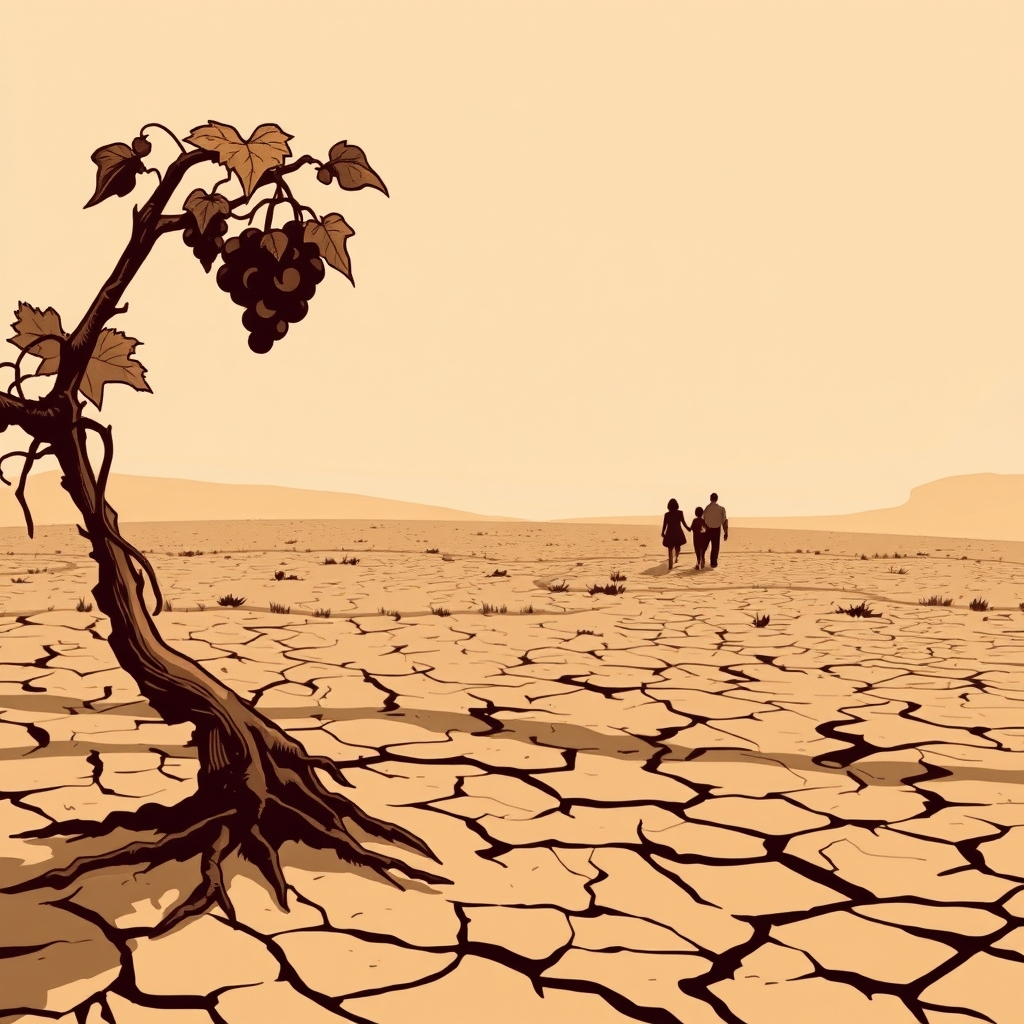
🛒 The Grapes of Wrath. As an Amazon Associate I earn from qualifying purchases.
🚜🌵💔 This Pulitzer-winning epic follows the dispossessed Joad family as they migrate from Dust Bowl Oklahoma to a deceptive promised land in California, revealing profound social injustice, the enduring human spirit, and the power of community amidst systemic exploitation.
🤖 AI Summary
📜 Core Narrative
- 👨👩👧👦 Joad Family Exodus: Oklahoma tenant farmers, driven by Dust Bowl drought and bank foreclosures, head to California.
- 🛣️ Route 66: The mother road to illusory jobs and dignity.
- 💸 California Reality: Poverty, exploitation, and dehumanizing conditions in migrant camps.
- 🤝 Community: Formation of new kinships and collective action among migrants for survival.
- 💪 Endurance: Despite immense loss, the Joads exhibit resilience and dignity.
🔑 Key Themes
- 💔 Inhumanity to Man: Systemic oppression by powerful landowners and capitalist systems.
- ✨ Human Dignity & Wrath: The struggle to maintain self-respect and the anger against injustice.
- 🫂 Family & Fellowship: Importance of loyalty and collective unity beyond biological ties.
- 🌪️ Environmental Devastation: The destructive impact of the Dust Bowl on land and identity.
- 📉 Failed American Dream: Dispossession and the elusive search for opportunity.
🎭 Character Archetypes
- 🗣️ Tom Joad: Protagonist, ex-con, evolves into a voice for workers’ rights.
- 👩🦳 Ma Joad: Matriarch, embodies strength and holds the family together.
- 🙏 Jim Casy: Former preacher, spiritual guide, advocates for collective unity.
- 👨🌾 Migrant Workers (Okies): A collective symbol of the exploited and resilient.
✍️ Literary Devices
- 📚 Intercalary Chapters: Provide broad historical context and commentary, breaking from the Joads’ narrative.
- 📸 Realism: Vivid depiction of the Great Depression era, grounded in Steinbeck’s research.
- 🍇 Symbolism: Animals, the stillborn baby, and the grapes of wrath itself.
⚖️ Evaluation
- 🏆 Pulitzer Prize & Nobel Recognition: The Grapes of Wrath won the National Book Award and Pulitzer Prize in 1939-1940 and was a major factor in Steinbeck receiving the Nobel Prize in Literature in 1962, cementing its status as a great work.
- 😠 Controversial Reception: Upon publication, the novel faced significant backlash, particularly from California agricultural associations and some Oklahomans, who denounced it as communist propaganda and a pack of lies for its depiction of farmer attitudes and camp conditions.
- ✔️ Historical Accuracy: While a work of fiction, the novel is widely recognized for its accurate portrayal of the experiences of Dust Bowl migrants and the economic hardships of the Great Depression. Steinbeck conducted extensive research, including visiting migrant camps, and his descriptions were defended by figures like Eleanor Roosevelt.
- 📢 Social Commentary: Critics praise its powerful social criticism against capitalist exploitation, injustice, and its advocacy for collective action and human dignity.
- ✨ Literary Merit: The novel is celebrated for its narrative artistry, including its structure with intercalary chapters, vivid characterization, and profound exploration of American themes, positioning it as a significant achievement in American literature.
- 🌍 Enduring Relevance: Modern critics continue to find relevance in the novel’s themes concerning immigration, labor rights, class politics, and discrimination.
🔍 Topics for Further Understanding
- 🏭 The socio-economic impacts of unchecked industrial agriculture in modern contexts.
- ⚖️ Contemporary migrant worker conditions and advocacy for labor rights globally.
- 🧠 The psychological effects of displacement and the loss of land-based identity.
- 🏛️ The role of social realism in shaping public policy and societal awareness.
- 📉 Comparative analysis of government responses to economic crises and natural disasters.
❓ Frequently Asked Questions (FAQ)
💡 Q: What is The Grapes of Wrath primarily about?
✅ A: The Grapes of Wrath tells the story of the Joad family, tenant farmers from Oklahoma, who are forced off their land during the Dust Bowl and Great Depression, migrating to California in search of work and a better life, only to face exploitation and dehumanizing conditions.
💡 Q: Is The Grapes of Wrath based on a true story?
✅ A: While the specific characters of the Joad family are fictional, The Grapes of Wrath is based on extensive research into the historical realities of the Dust Bowl migration and the experiences of thousands of displaced farmers during the Great Depression. Its depiction of conditions is considered historically accurate.
💡 Q: What are the main themes explored in The Grapes of Wrath?
✅ A: Key themes in The Grapes of Wrath include man’s inhumanity to man, the saving power of family and fellowship, the struggle for human dignity, social injustice, the failure of the American Dream, and the resilience of the human spirit.
💡 Q: Why was The Grapes of Wrath controversial upon its release?
✅ A: The Grapes of Wrath was controversial due to its stark depiction of the exploitation of migrant workers, its criticism of large landowners and banks, and its perceived pro-labor or communist propaganda stance by some groups, leading to bans and condemnations.
💡 Q: Who are the main characters in The Grapes of Wrath?
✅ A: The primary characters in The Grapes of Wrath are the Joad family, including Tom Joad (the protagonist), Ma Joad (the strong matriarch), Pa Joad, Rose of Sharon, and Jim Casy (a former preacher who becomes a spiritual guide).
📚 Book Recommendations
🔗 Similar
- 🌾 Of Mice and Men: Another Steinbeck classic exploring migrant workers, dreams, and harsh realities.
- 💰 Tobacco Road: Erskine Caldwell’s novel depicting extreme poverty among sharecroppers in the Depression-era South.
- 🌳 A Tree Grows in Brooklyn: Betty Smith’s story of an Irish-American family’s struggles and resilience in early 20th-century New York.
⚔️ Contrasting
- 🗽 Atlas Shrugged: Ayn Rand’s novel advocating extreme individualism and capitalism, presenting a direct philosophical contrast.
- 🥂 The Great Gatsby: F. Scott Fitzgerald’s exploration of the American Dream’s corruption among the wealthy elite.
🤝 Related
- 🌪️ Dust Bowl: The Southern Plains in the 1930s: Donald Worster’s non-fiction account of the environmental and social history behind the Dust Bowl.
- 🏭 The Jungle: Upton Sinclair’s exposé of the meatpacking industry and immigrant exploitation, highlighting systemic injustice.
- 💵 Nickel and Dimed: On (Not) Getting By in America: Barbara Ehrenreich’s undercover investigation into the lives of low-wage workers in contemporary America.
🫵 What Do You Think?
🤔 Which character’s journey resonated most with your personal values, and how do their choices reflect or challenge the societal norms of today?
🦋 Bluesky
🍇😡 The Grapes of Wrath
AI Q: 🚜 Which classic novel changed how you view the American Dream?
🌾 Dust Bowl Era | 👨👩👧👦 Family Migration | ✊ Social Injustice | 💔 Human Resilience
— Bryan Grounds (@bagrounds.bsky.social) 2026-03-25T14:30:25.897Z
https://bagrounds.org/books/the-grapes-of-wrath