🦸♀️ Strong Female Character
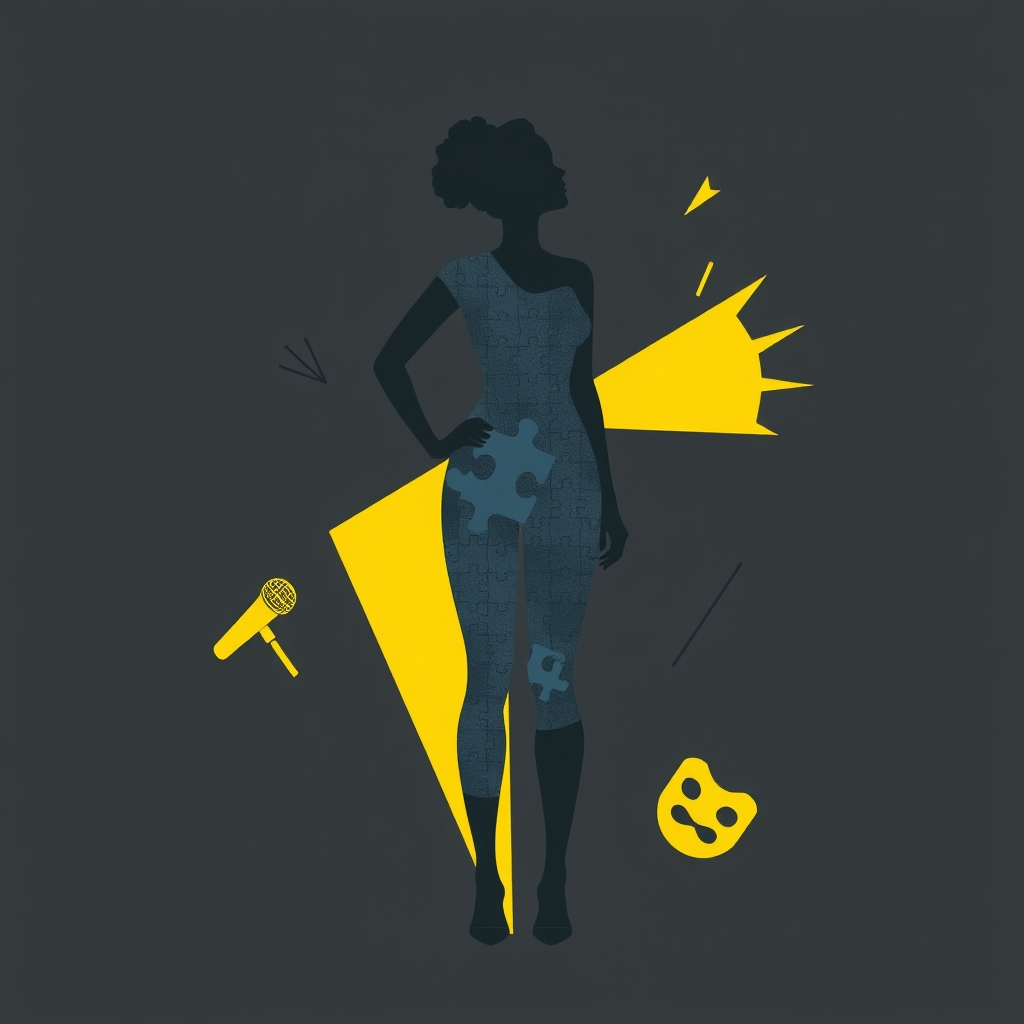
🛒 Strong Female Character. As an Amazon Associate I earn from qualifying purchases.
🧠🔥🎭 A raw, darkly humorous memoir chronicling her life as an autistic, working-class Scottish woman, navigating mental health struggles, abusive relationships, and a career in comedy, while exposing societal failures in recognizing autism in women.
🤖 AI Summary
🧠 Core Philosophy: Autism & Womanhood Intersect
- 🧩 Autism Misconception: Society misunderstands autism, especially in women.
- ⏳ Diagnosis often delayed; stereotypes (no eye contact, no boyfriends) prevent recognition.
- 🎭 Autistic women excel at masking to fit in.
- 📉 Systemic Failure: Healthcare, education, and social systems fail autistic women, particularly working-class individuals.
- 🗣️ Unflinching Honesty: Embracing a wired differently perspective, rejecting societal norms and Manic Pixie Dream Girl tropes.
✨ Key Themes & Experiences
- 👧 Undiagnosed Autism Impact: Childhood struggles with socializing, sensory overload, violent outbursts, self-harm, mental health crises (depression, OCD, PTSD, addiction).
- 🏴 Working-Class Scottish Background: Unique challenges intersecting with autism and mental health.
- 💔 Traumatic Experiences: Abusive relationships, sex work (stripping), homelessness, psychiatric institutionalization.
- 🎤 Comedy as Lifeline: Finding a voice and success through stand-up.
- 🤔 Critique of Neurodiversity Terminology: Preference for autistic over euphemisms like neurodivergent.
🚀 Actionable Insights (Implicit)
- 📣 Advocate for Self/Others: Push for accurate diagnosis, challenge stereotypes.
- ❓ Question Social Norms: Identify and critique arbitrary societal rules.
- 💖 Embrace Authenticity: Reduce masking, accept one’s unique wiring.
- 🤝 Support Autistic Voices: Prioritize firsthand accounts of autistic experiences.
⚖️ Evaluation
- ✍️ Honest & Unflinching Narrative: Brady’s memoir is widely praised for its brutal honesty and candidness about her traumatic experiences, including sex work, abusive relationships, and mental health struggles. This directness is often cited as refreshing and empowering, particularly for autistic young women.
- 💡 Insight into Autism in Women: The book provides valuable firsthand insight into how autism presents in women, often overlooked by traditional diagnostic criteria. Reviewers highlight how it dispels misconceptions, such as the idea that autistic individuals cannot maintain eye contact or have relationships.
- 🏛️ Critique of Systems: Strong Female Character offers a sharp critique of how medical and educational systems fail neurodivergent individuals, particularly women from working-class backgrounds. This societal criticism resonates strongly with many readers.
- 🎭 Humor & Heartbreak: The memoir successfully balances dark humor with heartbreaking accounts, making it both entertaining and deeply moving. This narrative style makes complex issues accessible and engaging.
- 🫂 Relatability & Solidarity: Many readers, particularly autistic women and parents of autistic teens, find the book deeply relatable and a source of solidarity. It helps foster understanding for those who feel wired differently.
🔍 Topics for Further Understanding
- 📜 The historical evolution of autism diagnostic criteria, specifically its impact on women and gender bias in diagnosis.
- 🎭 The concept of autistic masking or camouflaging and its psychological costs.
- 🌐 Intersectional feminism and neurodiversity: exploring how class, gender, and neurotype interact to shape lived experiences.
- 🩹 The role of trauma in the lives of undiagnosed autistic individuals and effective trauma-informed care for neurodivergent people.
- ✍️ Ethical considerations in memoir writing, particularly when recounting experiences that may be triggering or controversial.
- 🧚♀️ The Manic Pixie Dream Girl trope and its pervasive presence in media, especially concerning neurodivergent female characters.
- 🌟 The challenges and opportunities for neurodivergent individuals in creative industries like stand-up comedy.
❓ Frequently Asked Questions (FAQ)
💡 Q: What is Strong Female Character about?
✅ A: Strong Female Character is a 2023 memoir by Scottish comedian Fern Brady, detailing her experiences growing up with undiagnosed autism, her struggles with mental health, abusive relationships, sex work, and her eventual diagnosis at age 34, all delivered with unflinching honesty and dark humor.
💡 Q: Who is Fern Brady?
✅ A: Fern Brady is a Scottish stand-up comedian and author, known for her caustic wit and appearances on British TV shows like Taskmaster. Her memoir, Strong Female Character, chronicles her life with undiagnosed autism.
💡 Q: What are the main themes of Strong Female Character?
✅ A: Key themes in Strong Female Character include the challenges of undiagnosed autism in women, the impact of societal and medical misconceptions about autism, the intersection of sexism and ableism, mental health struggles, and finding a voice through unique life experiences.
💡 Q: Why is it difficult for women to get an autism diagnosis?
✅ A: Strong Female Character highlights that women often struggle to get an autism diagnosis because they are better at masking their autistic traits, and diagnostic criteria have historically been based on male presentations of autism. Doctors have also dismissed diagnoses based on superficial factors like having boyfriends or making eye contact.
💡 Q: Has Strong Female Character won any awards?
✅ A: Yes, Strong Female Character by Fern Brady won the inaugural Nero award for nonfiction and the 2024 British Book Award for best nonfiction audiobook of the year.
📚 Book Recommendations
👯♀️ Similar
- 🎤 Ten Steps to Nanette: A Memoir Situation by Hannah Gadsby: Another raw, honest memoir by a comedian discussing autism and trauma.
- 🧠 Unmasking Autism: Discovering the New Faces of Neurodiversity by Devon Price: Explores the concept of masking and neurodiversity from a psychological perspective.
- 🚶♀️ Odd Girl Out: An Autistic Woman in a Neurotypical World by Laura James: A personal account of an autistic woman navigating a neurotypical world.
↔️ Contrasting
- 📚 Eleanor Oliphant Is Completely Fine by Gail Honeyman: A fictional account of a socially awkward woman, exploring themes of loneliness and trauma, but not explicitly addressing neurodiversity from an own voices perspective.
- 🐘 Thinking in Pictures: My Life with Autism by Temple Grandin: An illuminating look at autism through the lens of visual thinking, offering a different personal perspective on the autistic experience.
🔗 Related
- ⬇️ Down the Drain by Julia Fox: A raw, unapologetic memoir about a chaotic life, exploring themes of abuse, addiction, and resilience.
- 🥂 Wishful Drinking by Carrie Fisher: A humorous and candid memoir by a celebrity discussing addiction and mental health.
- 🤬 Men Who Hate Women: The Extremism Nobody is Talking About by Laura Bates: Explores systemic misogyny, a theme resonated with in Brady’s critique of societal failures towards women.
🫵 What Do You Think?
💭 What aspects of Strong Female Character resonated most with you, and how do you feel it contributes to the broader conversation around neurodiversity and gender?