🌟👁️🔦 All the Light We Cannot See
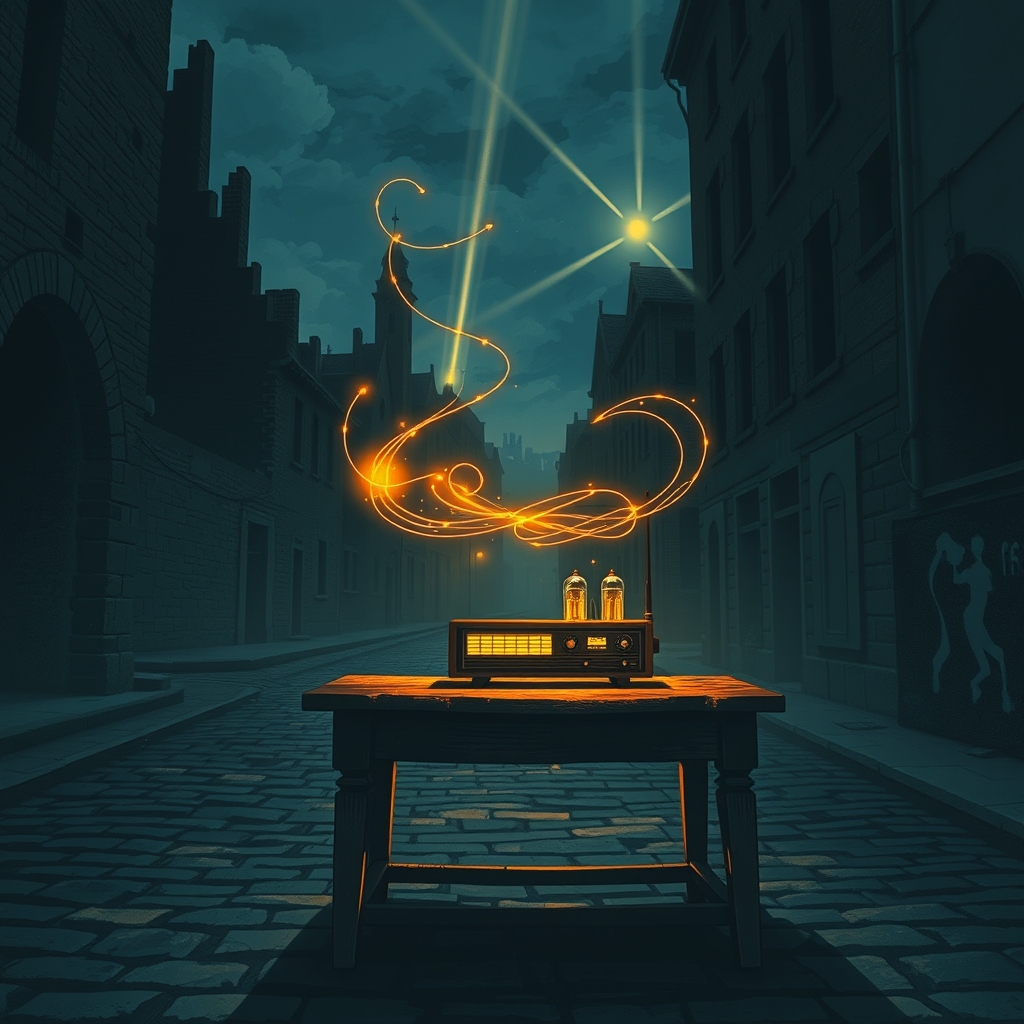
🛒 All the Light We Cannot See. As an Amazon Associate I earn from qualifying purchases.
✨ Intricate sensory descriptions and a non-linear structure illuminate the resilience of the human spirit amidst global devastation.
🗺️ Context
- ✍️ Author: Anthony Doerr
- 📚 Genre: Historical Fiction
- 📖 Series: Standalone Novel
⭐ Assessment
- 🌟 Core Appeal: The narrative weaves together two distinct lives through a mesmerizing exploration of science and destiny.
- 🕯️ Thematic Core: Focuses on the invisible forces of connection and the moral weight of individual choices during a dark era.
- 🖋️ Writing Style: Features luminous prose and short, cinematic chapters that create a poetic and rhythmic reading pace.
- 🌊 Reader Experience: While the intricate pacing requires patience, the atmospheric depth rewards those seeking a profound emotional journey.
- 🏆 Critical Standing: Earned the Pulitzer Prize for its exceptional craftsmanship and innovative approach to historical storytelling.
❓ Frequently Asked Questions (FAQ)
❓ Q: What is the significance of the title All the Light We Cannot See?
A: 🤓 The title refers to the invisible radio waves that connect humanity and the internal strength individuals possess even when the world is dark.
❓ Q: Is All the Light We Cannot See based on a true story?
A: 🤓 While the characters are fictional, the setting and historical events are meticulously researched to reflect the authentic atmosphere of the period.
❓ Q: What is the writing style of All the Light We Cannot See?
A: 🤓 The prose is lyrical and highly sensory, utilizing a non-linear timeline to build a complex tapestry of past and present.
📚 Recommendations
📖 Non-Fiction
- 📻 The Secret History of WWII by Neil Kagan
- 🏰 D-Day: The Battle for Normandy by Antony Beevor
❤️ If You Loved This
- 🖋️ The Book Thief by Markus Zusak
- 🕊️ The Nightingale by Kristin Hannah
↔️ Similar But Different
- ☁️ Cloud Cuckoo Land by Anthony Doerr
- 🎻 The Cellist of Sarajevo by Steven Galloway
🫵 What Do You Think?
- 💭 How did the sensory focus of the writing affect your immersion in the setting?
- 💭 Do you prefer non-linear timelines or a more traditional chronological approach?