2026-04-14 | 🔗 Share Buttons for Social Media 📣
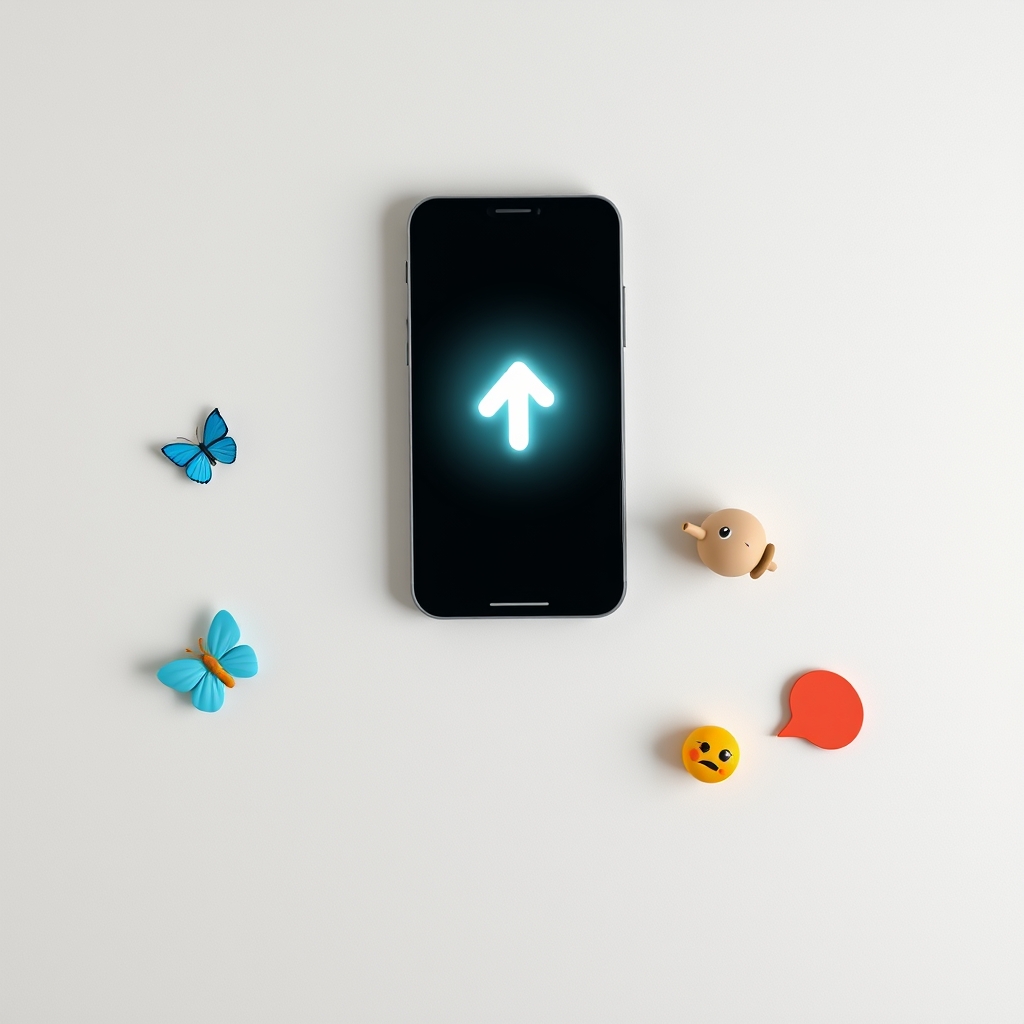
🎯 The Goal
🗣️ Great content deserves to be shared easily. 📱 Today we added lightweight share buttons to every page on the site, making it effortless for readers to spread the word on their favorite platforms.
🧠 Research and Planning
🔍 Before writing a single line of code, we researched the landscape of social sharing on static sites. 📊 The key insight is that the industry has moved away from heavy JavaScript SDKs and third-party tracking widgets. 🏆 The modern best practice is intent URLs: simple links that open a platform’s compose window with pre-filled text.
🔒 Intent URLs are privacy-friendly because no third-party scripts are loaded. ⚡ They are performant because there is zero external JavaScript to download and execute. 🧰 They are maintainable because each platform is just a URL template with no API keys or authentication required.
🏗️ Architecture Decisions
🧱 We built the share buttons as a standard Quartz component, following the same pattern as TextToSpeech, Comments, and other existing components. 📐 The component has three parts: a TSX file for the markup, a SCSS file for styles, and an inline TypeScript file for client-side behavior.
🦋 Phase One Platforms
🎯 The first four platforms were chosen for maximum reach across different communities:
- 🦋 Bluesky uses a simple intent compose URL at bsky.app
- 🐘 Mastodon requires knowing the user’s instance, so we prompt once and save it to localStorage
- 🐦 Twitter uses the classic intent tweet URL that has been stable for years
- 💬 SMS uses the native sms URI scheme, which opens the device’s messaging app directly
🐘 The Mastodon Challenge
🌐 Mastodon is decentralized, meaning there is no single domain to link to. 🤔 Each user has their own instance like mastodon.social or fosstodon.org. 🎨 Our solution uses a browser prompt to ask for the instance domain on first click, then saves it to localStorage so subsequent shares are instant. ⇧ Holding Shift while clicking lets users change their saved instance.
🎨 Design Philosophy
🎭 The buttons use emoji labels rather than brand SVG icons. 🤝 This is consistent with the emoji-rich aesthetic of the site. 🛡️ It also avoids any trademark concerns with brand logos. 📱 The buttons are styled with the Solarized theme colors and use a simple pill shape with a hover effect that transitions to the secondary accent color.
📍 Placement
📖 Share buttons appear in the afterBody section, right after the page content ends and before the Graph and Backlinks sections. 🧠 This is the natural moment when a reader finishes consuming content and might think about sharing it.
🗺️ The Roadmap
🔮 Phase Two will add Email, Copy Link, and Native Share via the Web Share API. 📲 The Web Share API is especially exciting because it enables sharing to any app the user has installed on their phone, using the native share sheet.
🌍 Phase Three will add Facebook, LinkedIn, Reddit, WhatsApp, and Telegram for comprehensive global coverage.
🤖 A future enhancement will use LLM-generated custom share messages stored in frontmatter, so each page gets a thoughtful, engaging default message instead of just the title and URL.
🧪 Technical Details
🔧 The entire implementation requires zero external dependencies. 📦 No npm packages were added. 🚫 No third-party scripts are loaded at runtime. 🔗 Every share action is either a simple link with an intent URL or a native URI scheme that the browser and operating system handle natively.
🌊 The component integrates with Quartz’s SPA navigation system by listening for the nav event, ensuring share buttons work correctly even during client-side page transitions.
📚 Book Recommendations
📖 Similar
- Contagious: Why Things Catch On by Jonah Berger is relevant because it explores the psychology of why people share content, which directly relates to designing effective share buttons that encourage spreading content
- Made to Stick: Why Some Ideas Survive and Others Die by Chip Heath and Dan Heath is relevant because it examines what makes ideas shareable and memorable, the same question at the heart of social sharing features
↔️ Contrasting
- Digital Minimalism by Cal Newport offers an opposing view that questions whether constant social sharing actually improves our lives, providing a counterweight to making sharing easier
- The Shallows: What the Internet Is Doing to Our Brains by Nicholas Carr is relevant because it argues that frictionless sharing and link-hopping may be eroding our ability to engage deeply with content
🔗 Related
- Designing for the Social Web by Joshua Porter explores how to build web features that encourage meaningful social interaction
- Don’t Make Me Think by Steve Krug is relevant because its principles of intuitive web design guided the simple, recognizable button layout that requires no explanation